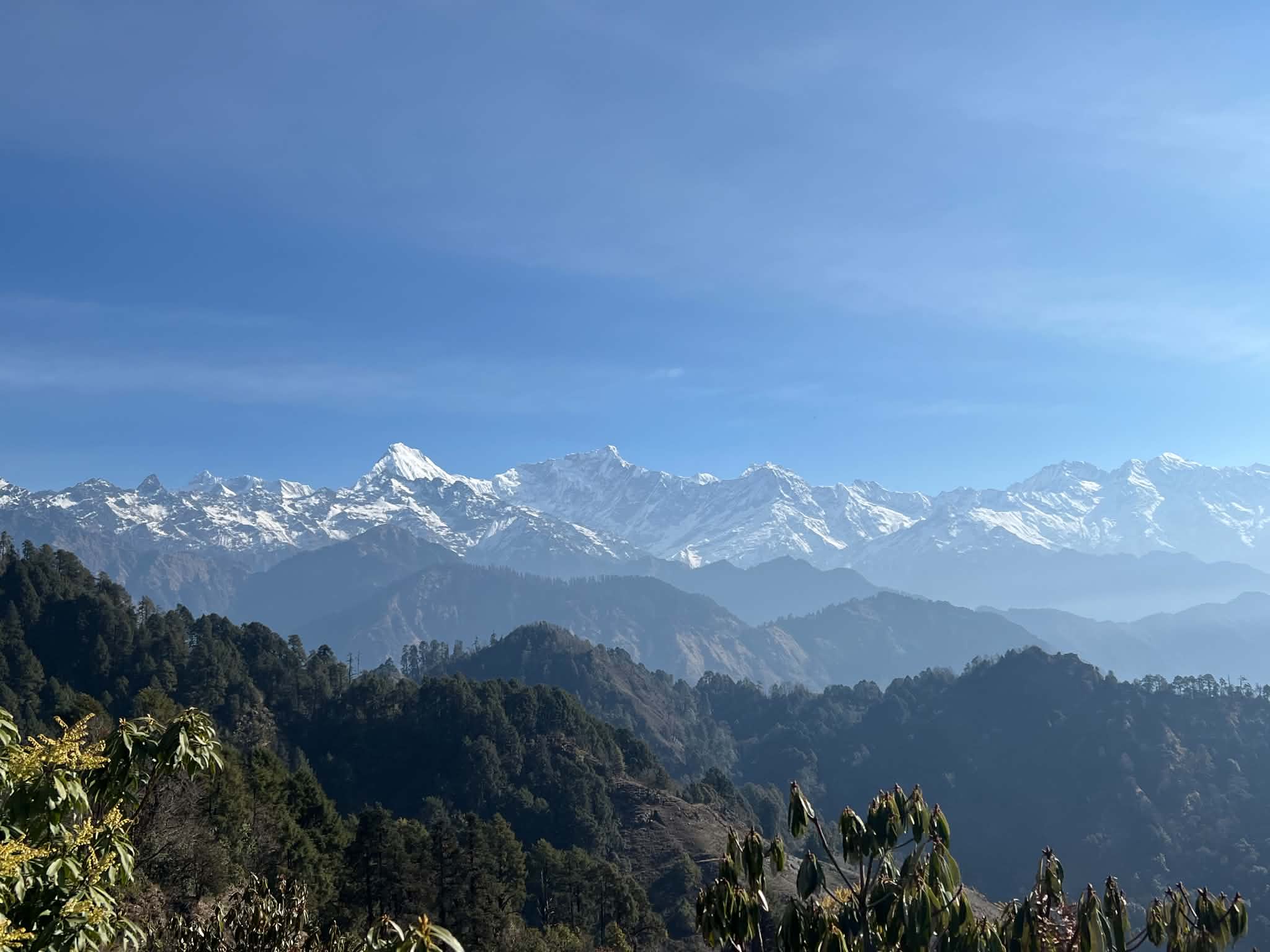
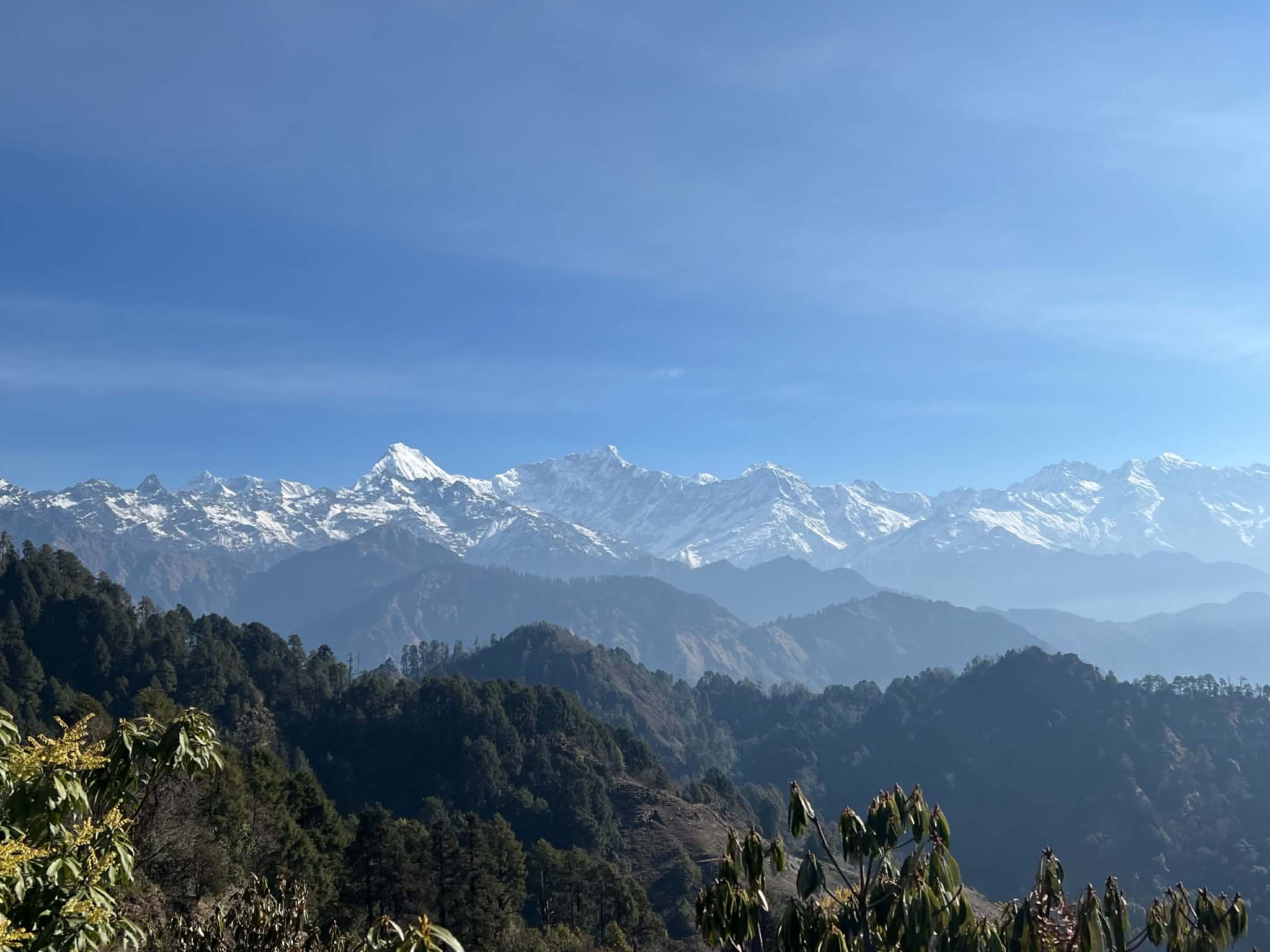
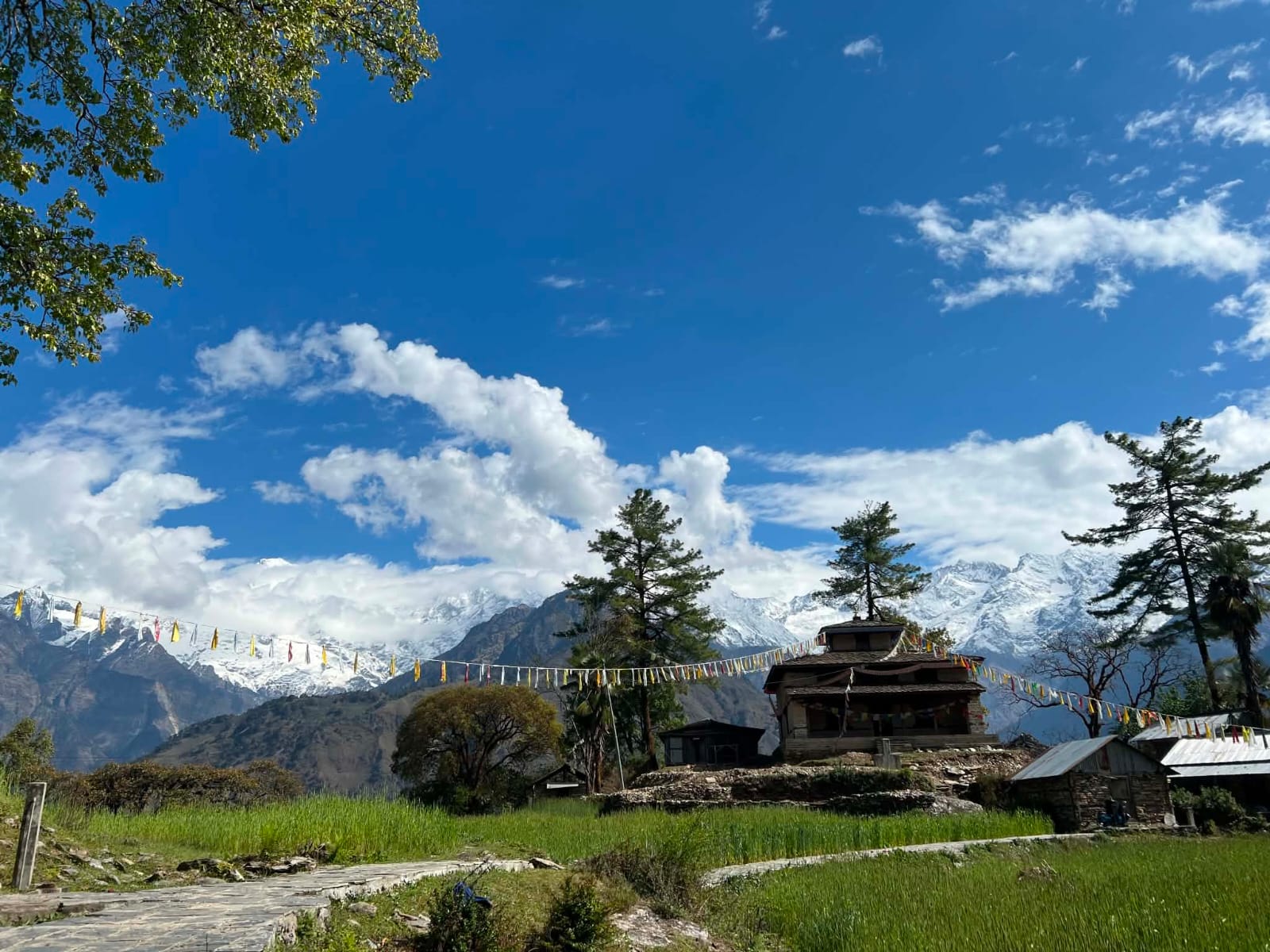
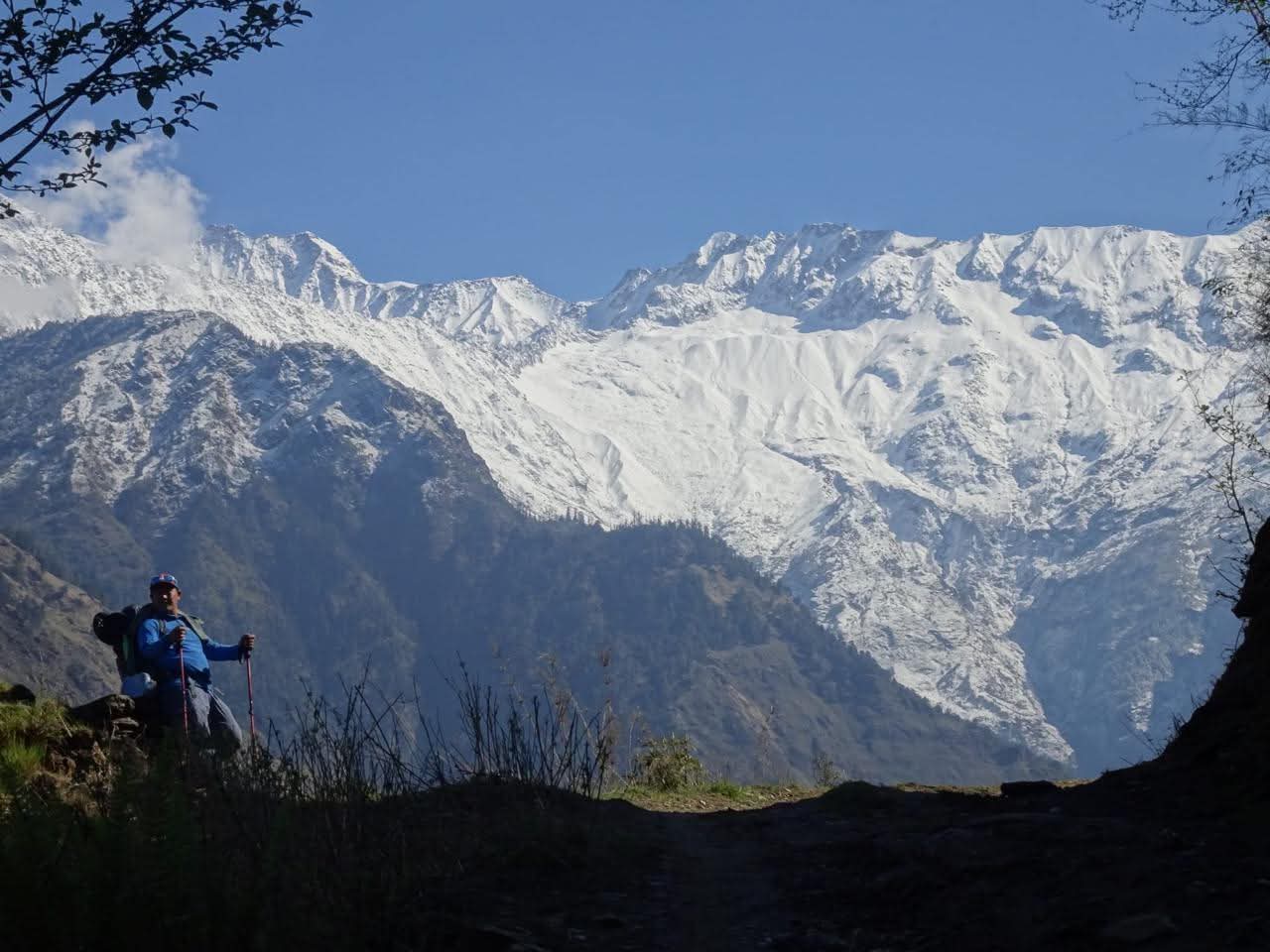
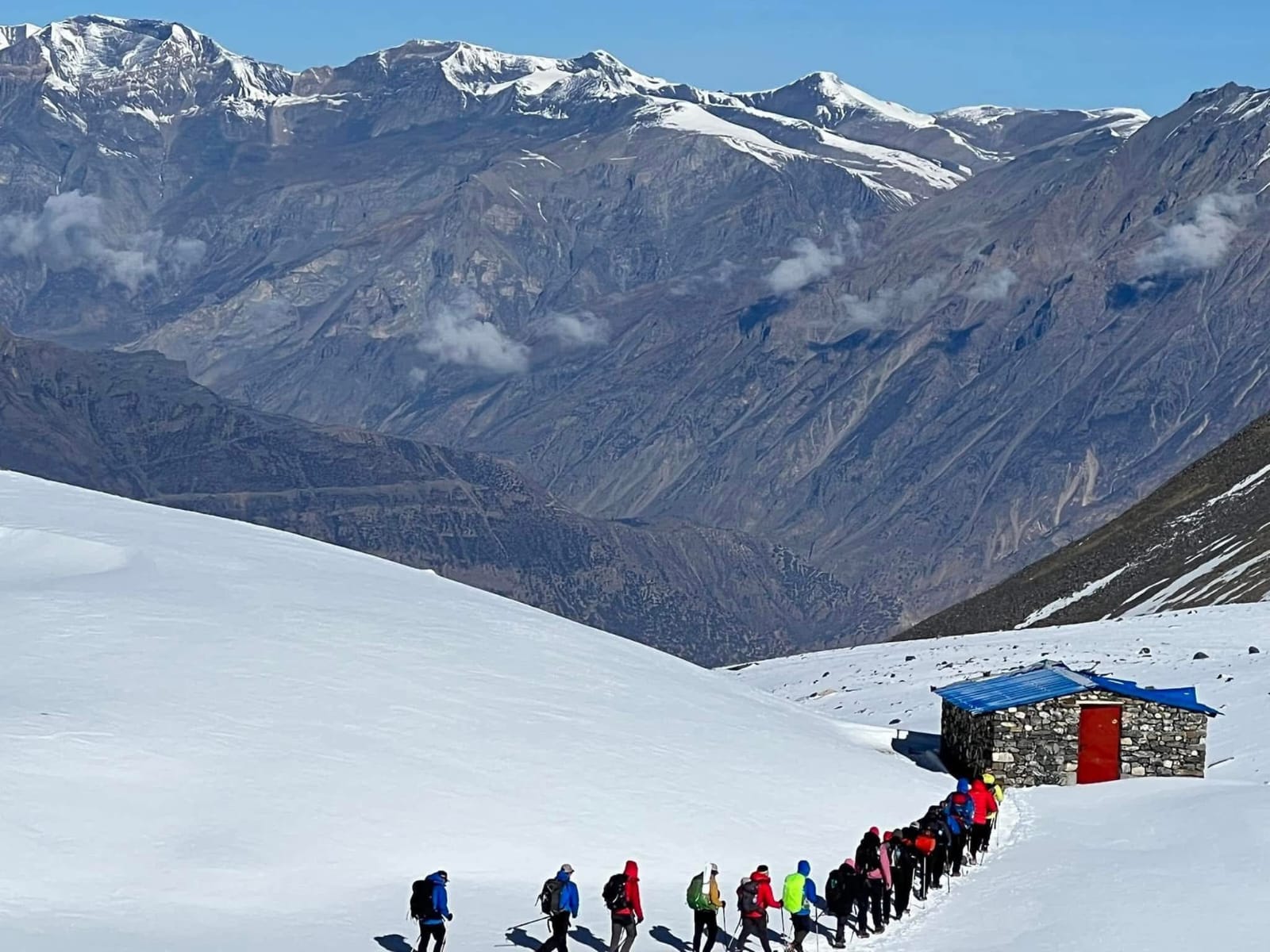
Ganesh Himal view from Pansang Pass
Langtang & Central Region

Ruby Valley Trek

Difficulty Moderate
Duration 14 Days
Max. Altitude 3,845m
Best Season Spring, Autumn
Lodging & Meals Homestay / Teahouse

Ruby Valley

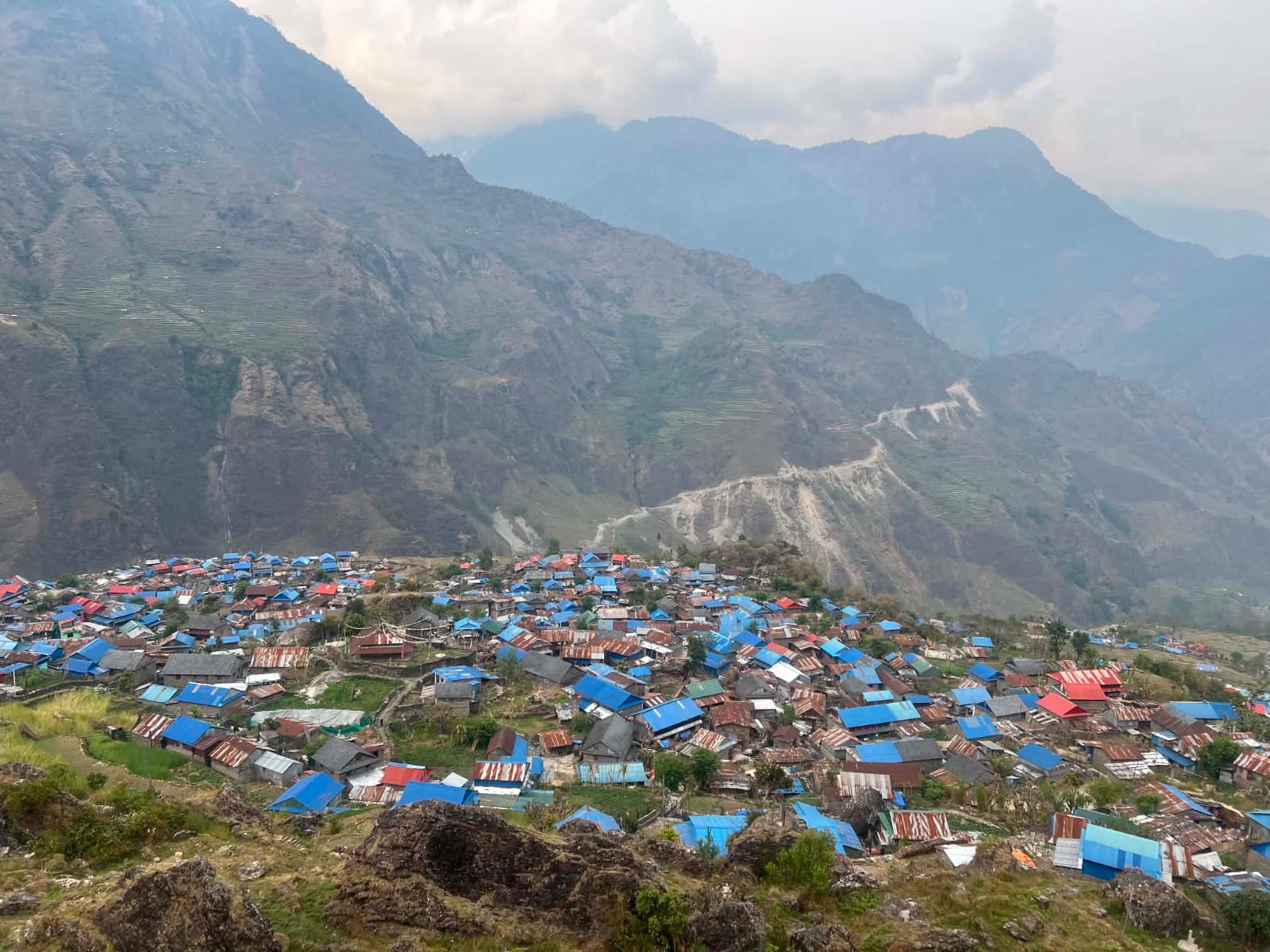
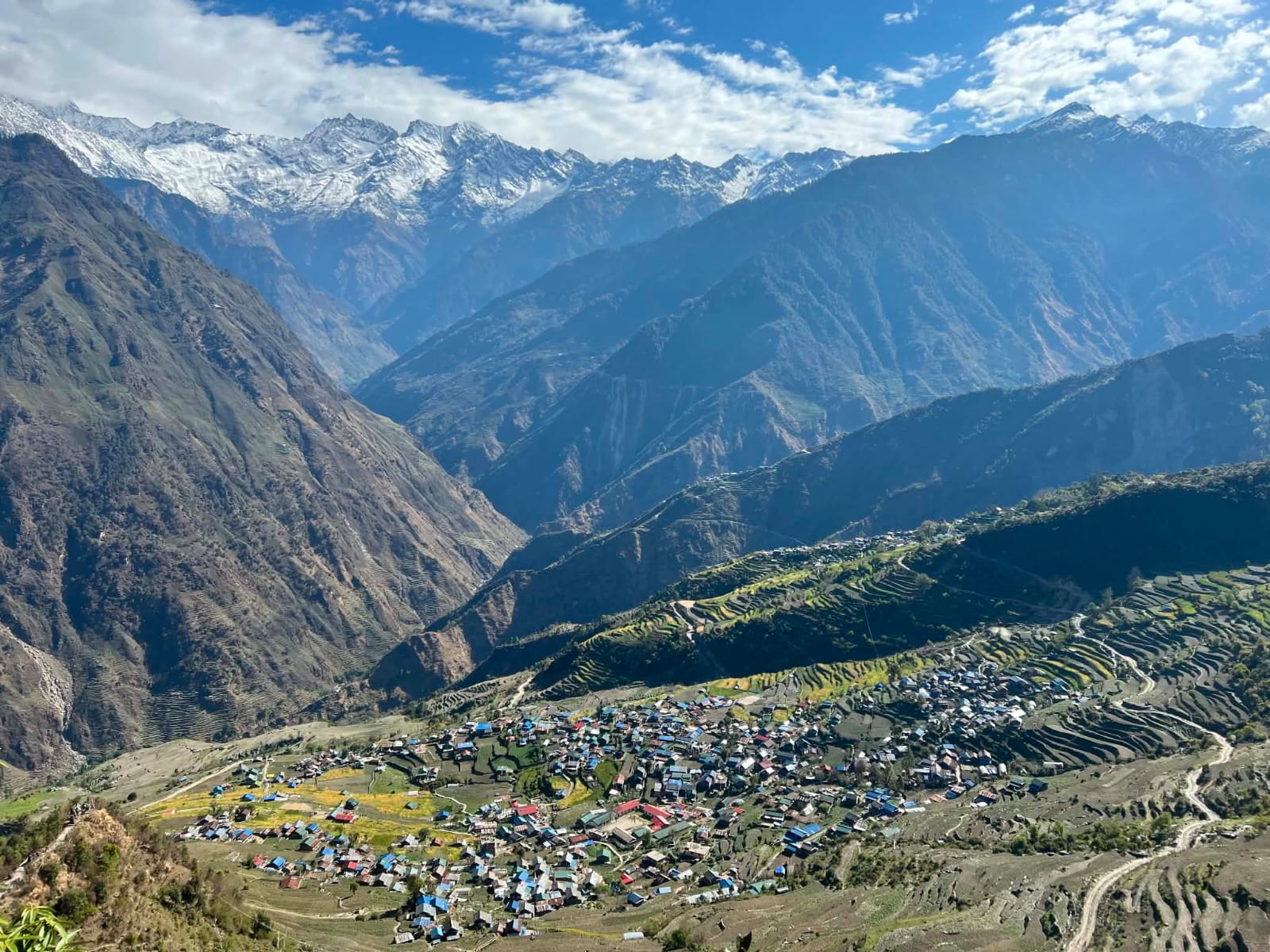
The Ruby Valley Trek is a hidden gem situated in the central Himalayan region of Nepal, nestled between the Langtang and Manaslu conservation areas. Named after the precious and semi-precious stones found in the area, this trek offers a profoundly authentic cultural experience combined with stunning natural beauty. The route takes you through traditional Tamang and Gurung villages where age-old customs and warm hospitality thrive, largely untouched by mass tourism. Trekkers will cross the scenic Pansang Pass (3,845m), which provides one of the finest viewpoints in the Himalayas, offering a breathtaking sweeping panorama of the Ganesh Himal, Langtang, and Manaslu ranges. You will experience homestays, witness local shamanic traditions, and walk through pristine forests of pine and rhododendron. It is an ideal trek for those seeking solitude, cultural immersion, and magnificent mountain scenery on a less commercialized trail.
Ruby Valley Trek
Ruby Valley Trek
Signature Experiences

Expedition Highlights

01

Experience the genuine warmth of Tamang and Gurung hospitality in village homestays.

02

Cross the Pansang Pass (3,845m) for arguably the best views of the Ganesh and Langtang ranges.

03

Explore the region known for its ruby, quartz, and zinc mines.

04

Walk on off-the-beaten-path trails, away from the crowds of popular trekking areas.

05

Witness diverse flora and fauna, beautiful terraced farm lands, and cascading waterfalls.

06

Visit local monasteries and witness unique shamanic practices.

Trail Logs & Itinerary

1
Trekking Day Max Elev: 3,845m

Drive north of Kathmandu Valley to Syabrubesi, the starting point of the trek, via a scenic route. We embark on a scenic journey today, taking either a spectacular domestic flight or a drive along winding mountain roads, passing lush terraced fields, fast-flowing rivers, and traditional hillside villages. The changing scenery guides us closer to the starting point of our trek in the heart of the Himalayas.

2
Trekking Day Max Elev: 3,845m

Ascend to the viewpoint of Bahun Danda, then continue to the traditional Tamang village of Gatlang, known for its distinctive stone houses.

3
Trekking Day Max Elev: 3,845m

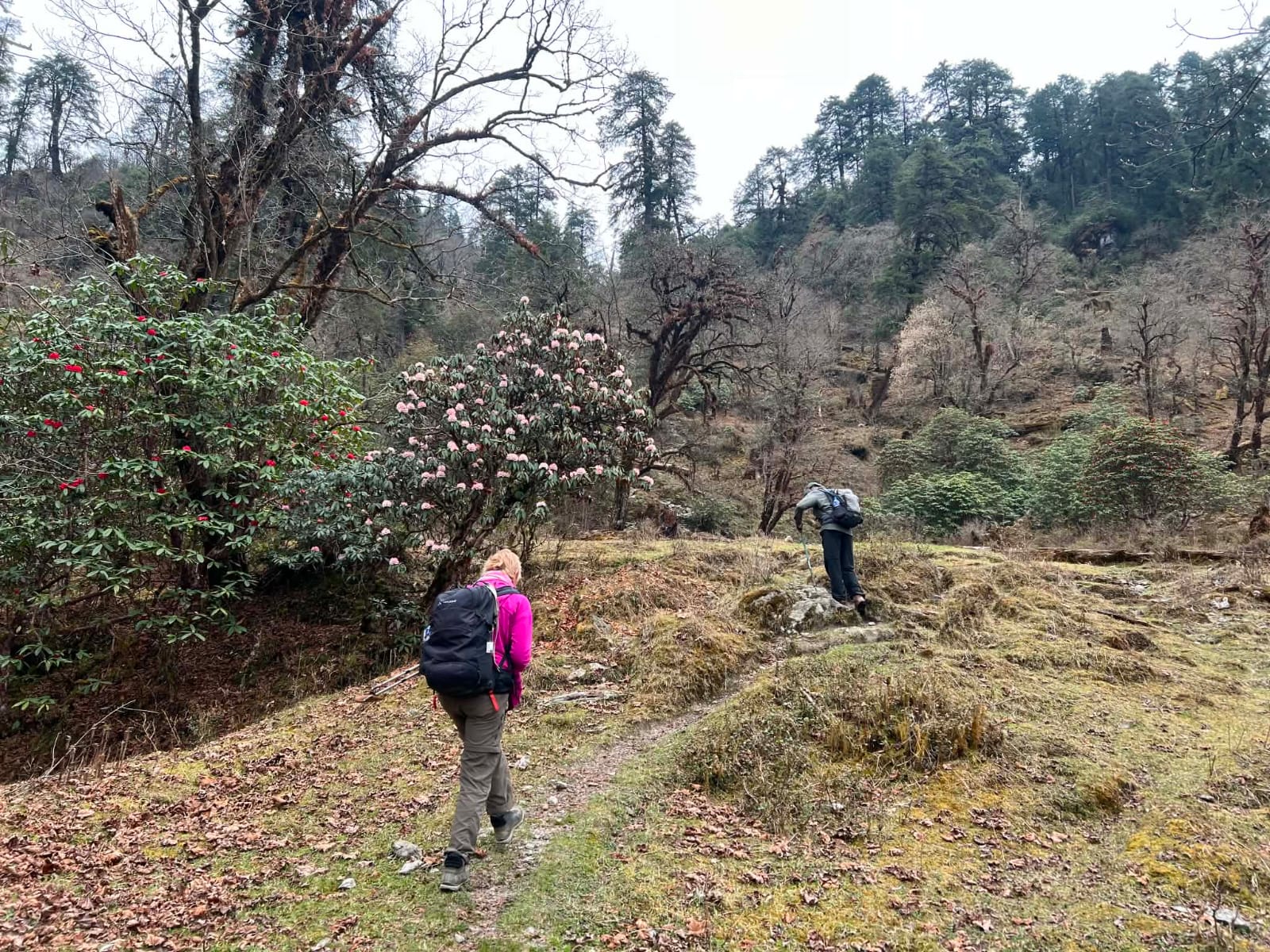
Trek through pine and rhododendron forests, passing by chortens and mani walls to reach the mining village of Somdang.

4
Trekking Day Max Elev: 3,845m

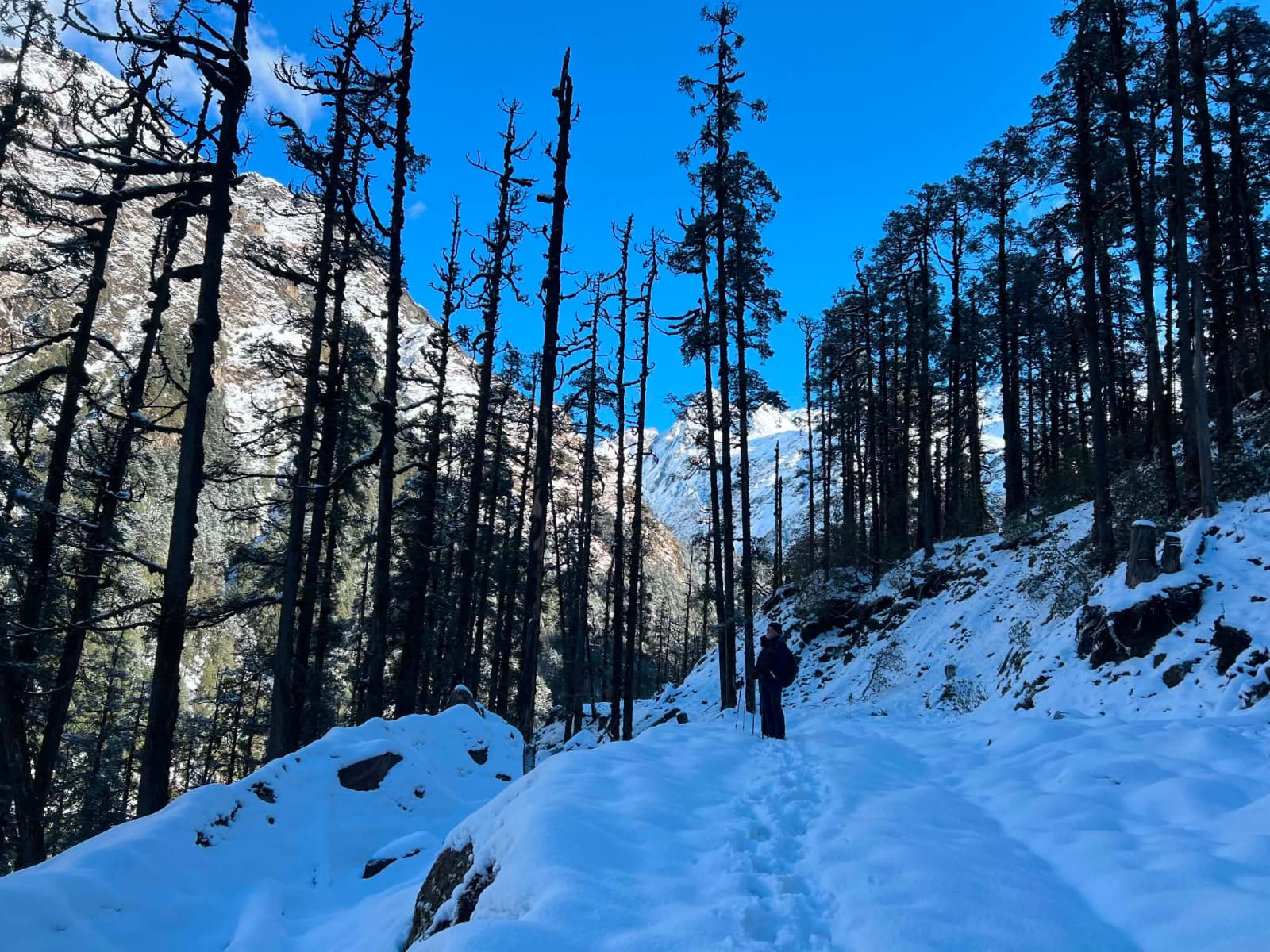
A steep climb to Pansang Pass, a stunning viewpoint offering panoramic views of Ganesh Himal, Langtang, and Manaslu. Today is the ultimate challenge. We wake up under a freezing, starlit sky and begin our ascent, using ropes, crampons, and ice axes as we navigate steep snow and ice slopes. Reaching the summit rewards us with a breathtaking 360-degree panorama of the world's highest peaks, a moment of pure triumph.

5
Trekking Day Max Elev: 3,845m

Descend through dense forests and terraced fields to Tipling, a large village with a mix of Buddhist and Christian populations.

6
Trekking Day Max Elev: 3,845m

A relatively short and easy walk to Chalish Gaon, a beautifully situated Gurung village known for its cultural performances.

7
Trekking Day Max Elev: 3,845m

Trek through lush green hills and cross suspension bridges, passing through several small settlements to reach Borang.

8
Trekking Day Max Elev: 3,845m

The trail goes down to the river and then up through terraced farmlands, providing great views of the surrounding hills.

9
Trekking Day Max Elev: 3,845m

A continuous descent through picturesque landscapes and villages to Darkha Gaon.

10
Trekking Day Max Elev: 3,845m

A short walk to Darkha Phedi followed by a bumpy but scenic local jeep ride to the district headquarters, Dhading Besi. We embark on a scenic journey today, taking either a spectacular domestic flight or a drive along winding mountain roads, passing lush terraced fields, fast-flowing rivers, and traditional hillside villages. The changing scenery guides us closer to the starting point of our trek in the heart of the Himalayas.

11
Trekking Day Max Elev: 3,845m

A smooth bus ride along the Prithvi Highway brings you back to the comforts of Kathmandu. We embark on a scenic journey today, taking either a spectacular domestic flight or a drive along winding mountain roads, passing lush terraced fields, fast-flowing rivers, and traditional hillside villages. The changing scenery guides us closer to the starting point of our trek in the heart of the Himalayas.

Inclusions

  • Airport pick-up and drop-off in a private vehicle.
  • Standard teahouse/lodge accommodation during the trek.
  • All meals (Breakfast, Lunch, Dinner) during the trek.
  • An experienced, English-speaking, and government-licensed trekking guide.
  • Porter service (1 porter for every 2 trekkers).
  • All necessary paperwork and trekking permits (TIMS, National Park Fees).
  • A comprehensive medical kit carried by the guide.
  • Farewell dinner in Kathmandu to celebrate the successful trek.

Exclusions

  • International flight airfare.
  • Nepal entry visa fee (obtainable on arrival at Kathmandu airport).
  • Travel and rescue insurance (mandatory).
  • Personal expenses (phone calls, laundry, bar bills, battery recharge, extra porters).
  • Tips for guide and porters (customary but not mandatory).

Frequently Asked Questions

Yes. Unlike popular regions like Everest or Annapurna, remote regions (like Manaslu, Dolpo, or Kanchenjunga) have simpler teahouses or require camping. Facilities are basic, featuring shared squat toilets and limited hot water.
Many remote borders require Restricted Area Permits (RAPs) and must be hiked with a registered guide and a minimum of two trekkers. Our agency handles all permit processing for you.
Charging is mostly solar-powered and available at lower teahouses for a fee. Wi-Fi is rare or non-existent in remote villages. We recommend bringing a high-capacity power bank and a local SIM card.
The trails are less developed, more rugged, and see very few tourists. You should expect steep ascents, high mountain passes (like Larkya La at 5,106m), and long walking days over challenging terrain.
Since there are absolutely no ATMs in remote regions, you must withdraw sufficient cash in Nepalese Rupees in Kathmandu. We recommend budgeting at least 2,500 Rupees ($20 USD) per day for personal expenses.
You should pack high-quality gear: a warm sleeping bag (rated to -15°C), broken-in trekking boots, thermal layers, water purification tools, basic toiletries, and a small personal first-aid kit with altitude medication.