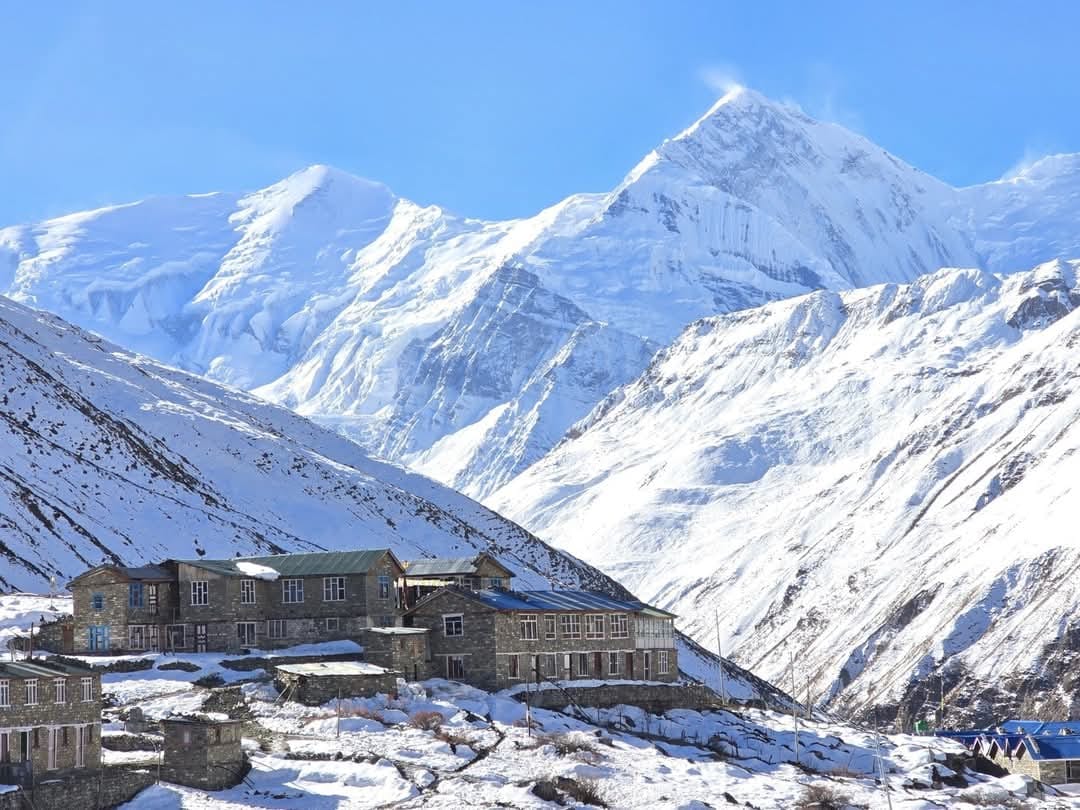
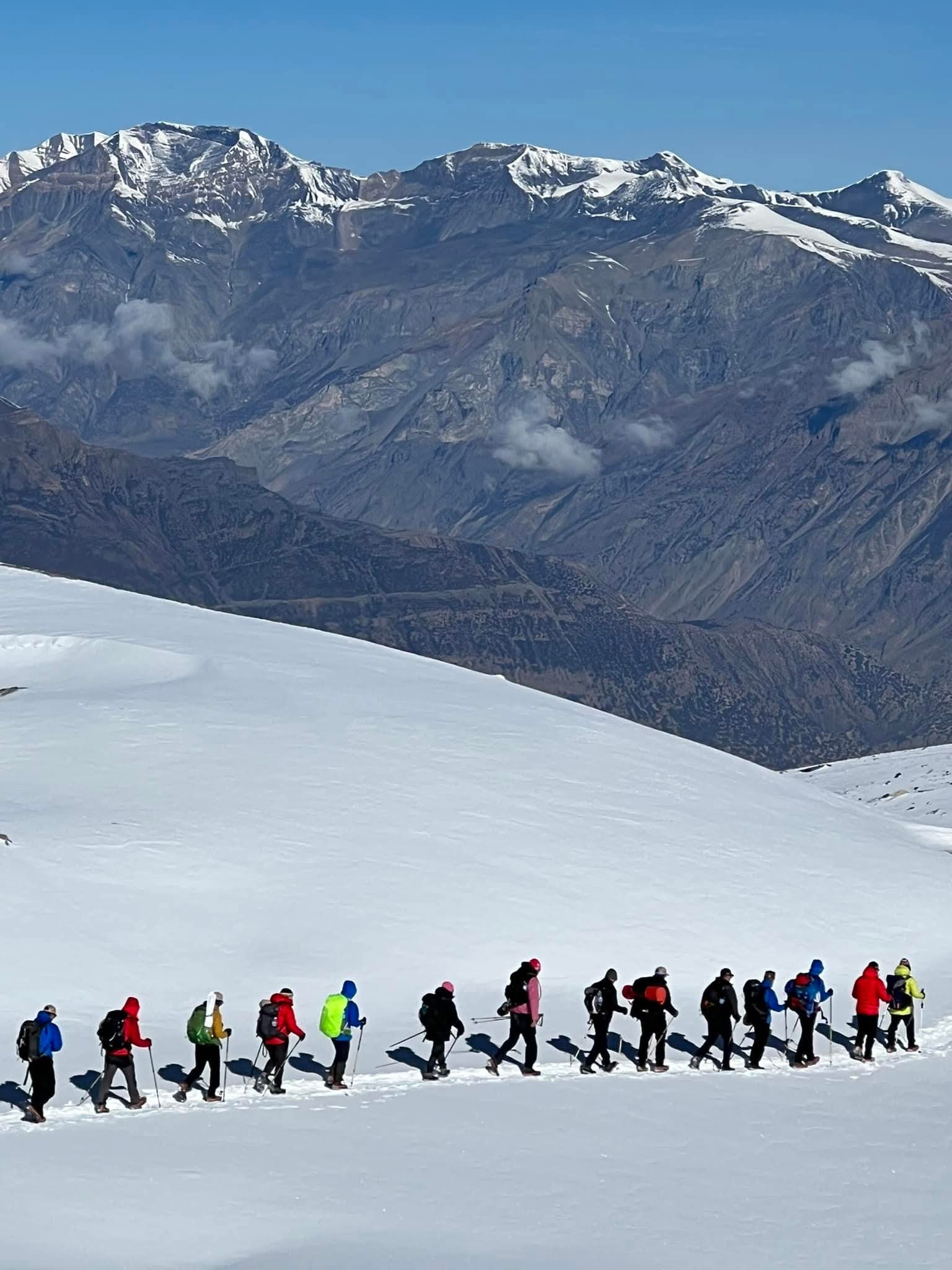
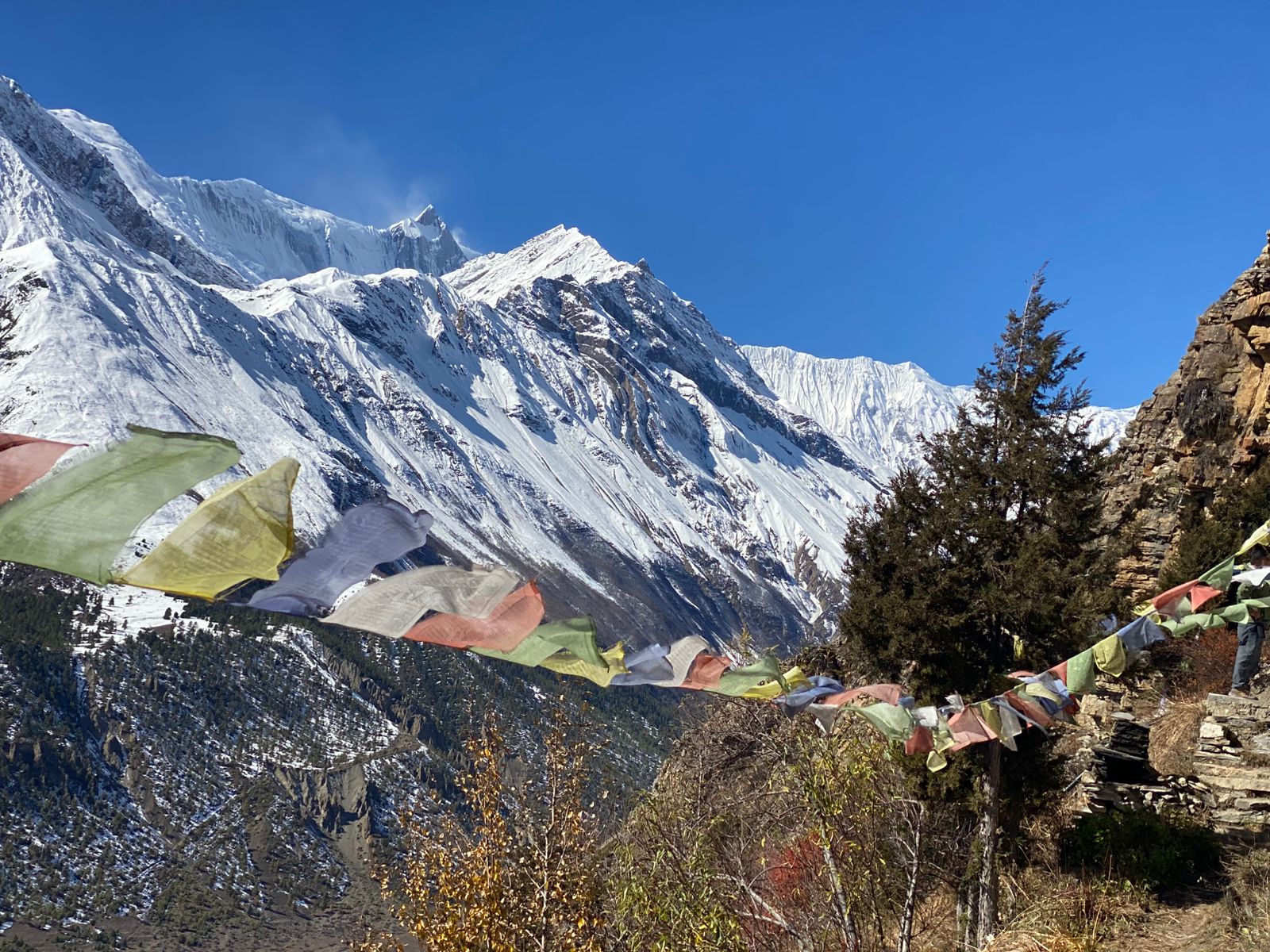
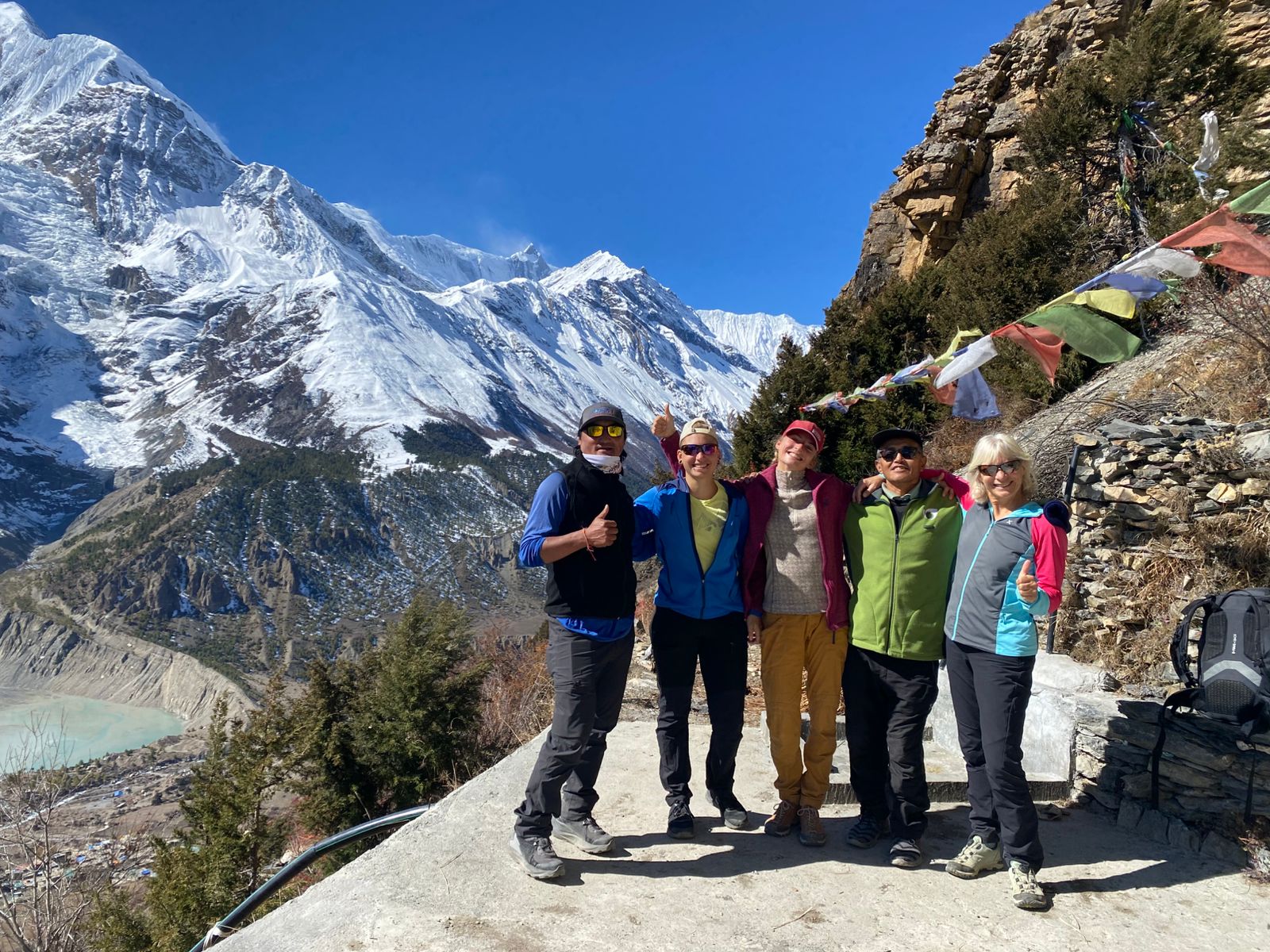
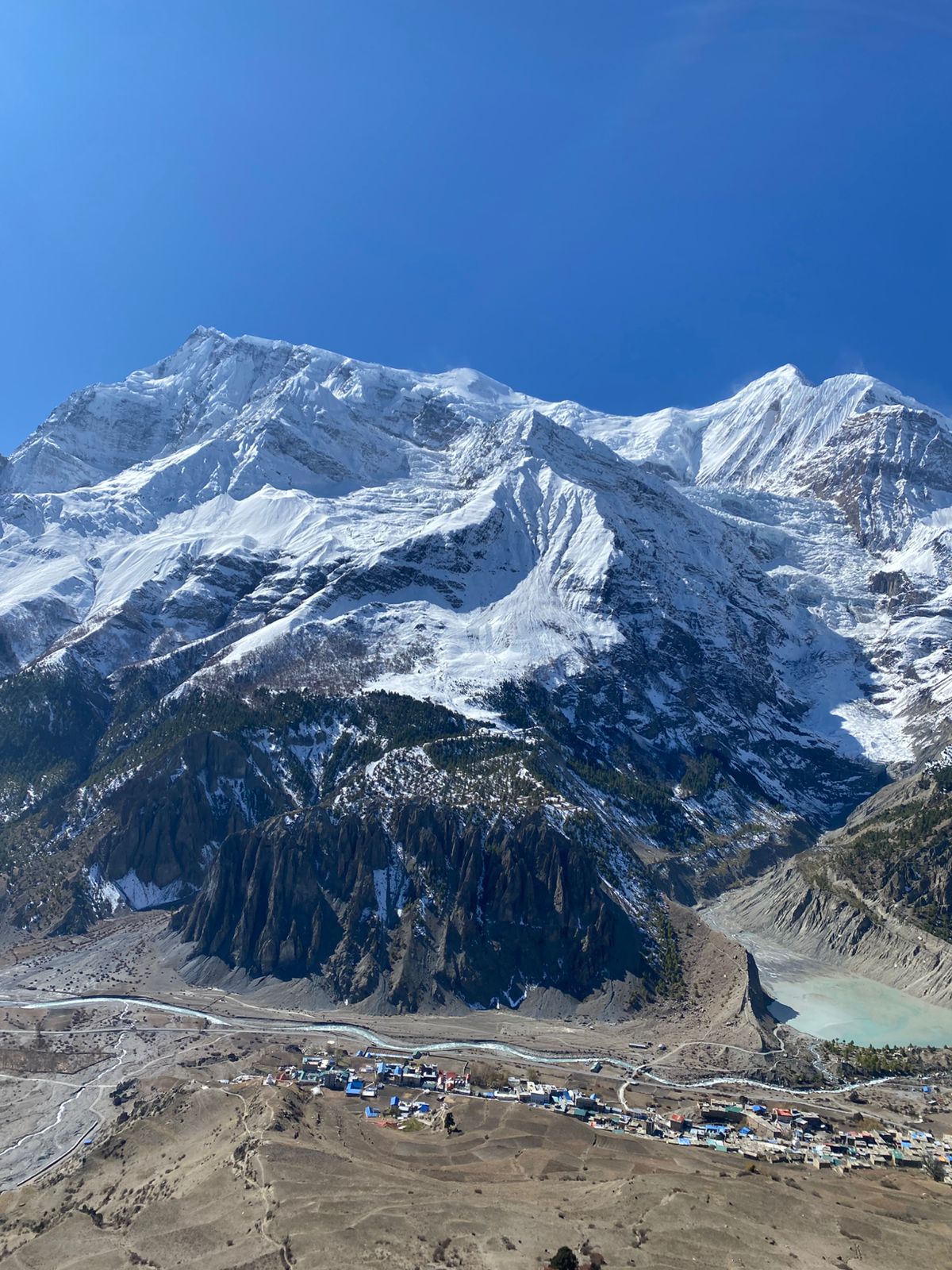
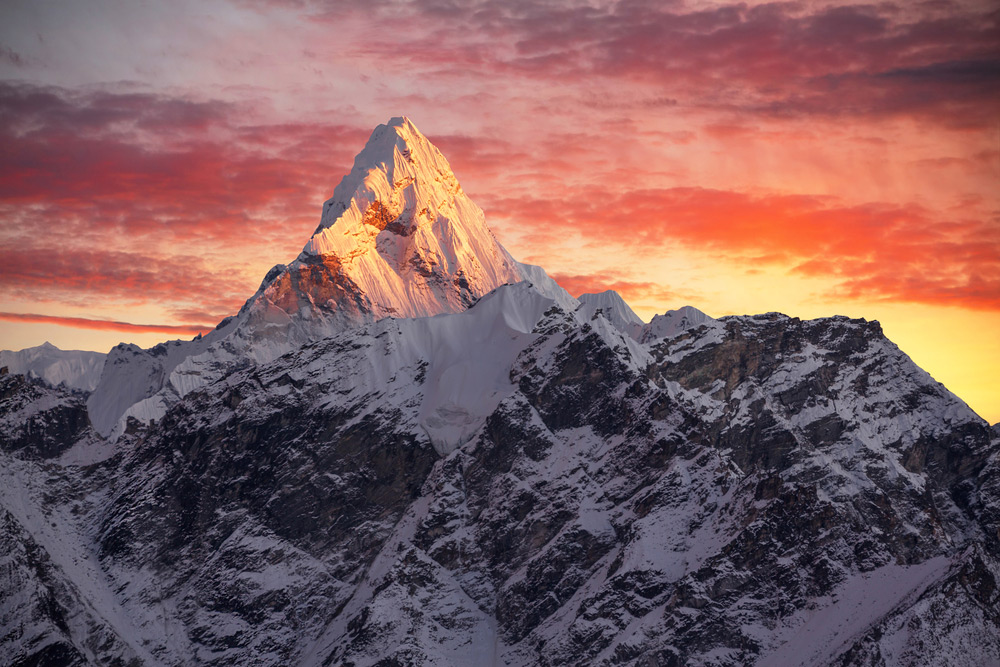
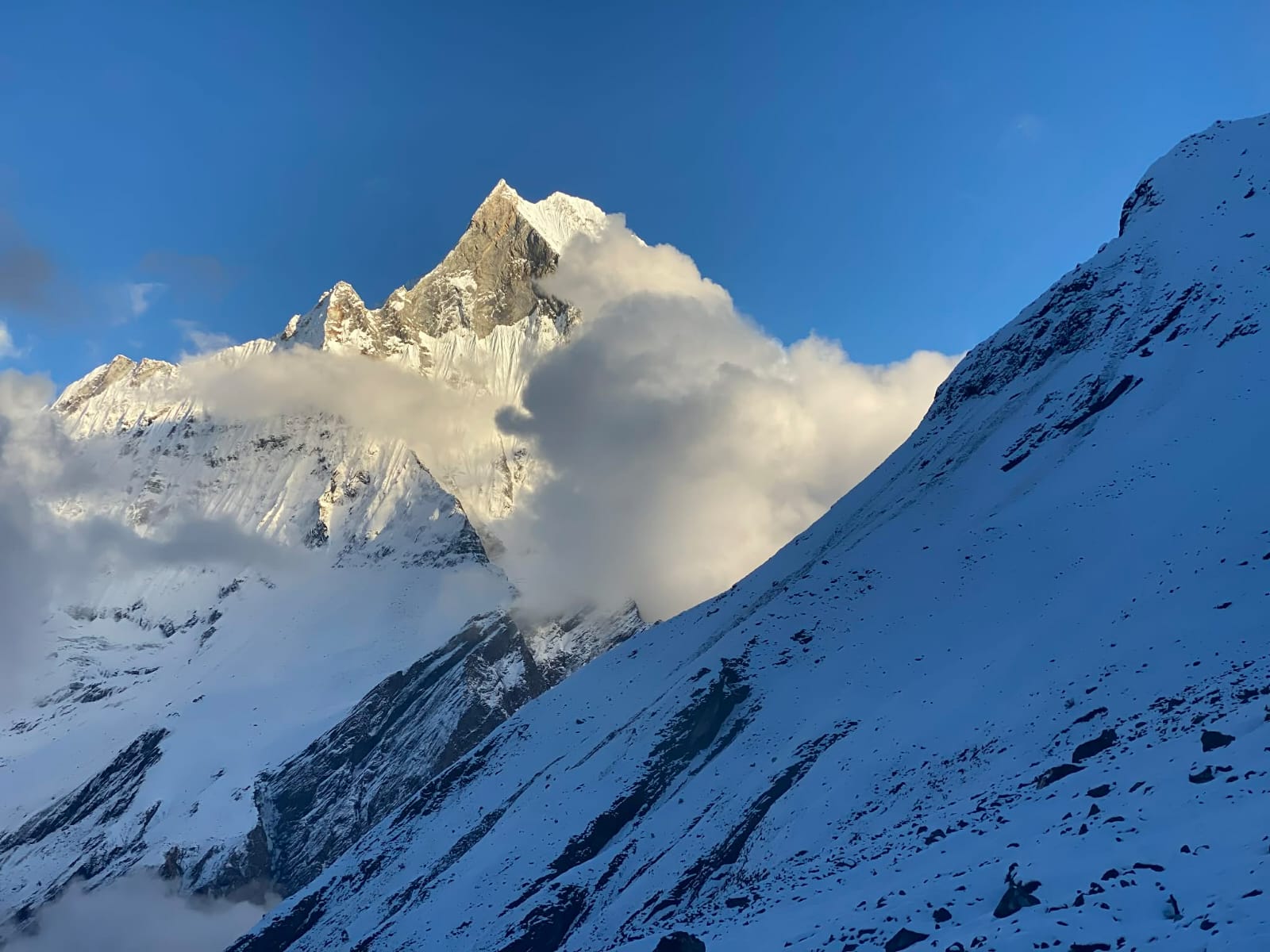
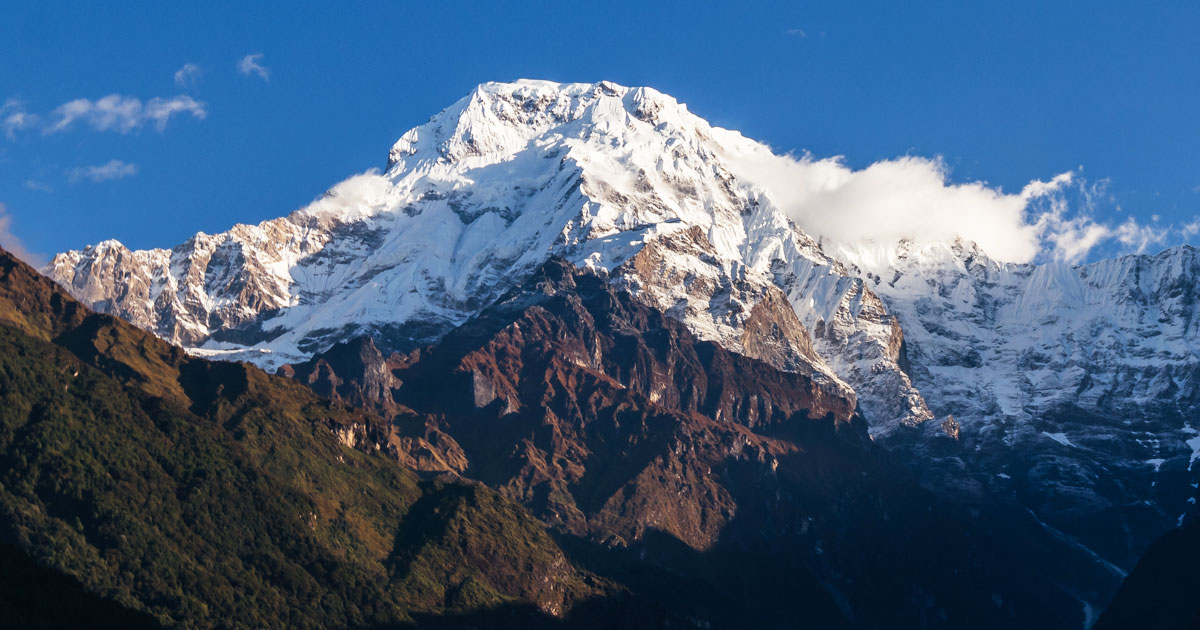
Annapurna Circuit mountain landscape
Annapurna Region

Annapurna Grand Tour

Difficulty Moderate to Strenuous
Duration 14 Days
Max. Altitude 5,416 m/17,769 ft
Best Season Mar-May, Sep-Dec
Lodging & Meals Tea House & Hotel

Annapurna Grand Tour

Grand Tour of the Annapurnas, which passes through the Thorong La pass but also via Poon Hill, the famous viewpoint starting from Ghorepani, facing the Annapurnas and Dhaulagiri.

The Annapurna trek is one of the best known and one of the most practiced in Nepal. Considered one of the most beautiful in the world, the legendary journey in itself, the Tour of the Annapurnas has today become a great classic; the fact remains that it is one of the most beautiful treks in the world. Nothing is missing from this major journey: crossing subtropical forests, rice fields, valleys of Tibetan culture, large expanses of desert, breathtaking landscapes (that's the case!...) on the highest peaks on earth, breathtaking views of the famous Annapurnas.

The numerous villages that we will cross will allow us to discover the life of the Nepalese at altitude and the meeting with the local populations will be omnipresent throughout the trek... With stages designed to perfect acclimatization, the circuit reaches the passage of Thorong La (5416 m), the highest point of the trek, to then descend into the valleys of Muktinah and Jomosom, where the small villages still display their flags and prayer wheels which flap in the winds coming from Tibet... At the end of the circuit, we Let's go up from Ghorepani to Poon Hill, the famous viewpoint facing the Annapurnas and Dhaulagiri, a must to admire the highest mountains in the world.

Dynamic +
• Travel duration: Total 14 days (trekking: 11 days)
• Max altitude: 5416m
• Level: Difficulty / Medium
• Activity: Trekking
• Transport: Local or tourist bus depending on the size of the group
• Season for trekking: March, April, September, October, November
• Interest: Landscapes, cultural, sports
• Conditions: From 2 participants up to 12 people
• Accommodation: Hotel in Kathmandu and lodge during the trek
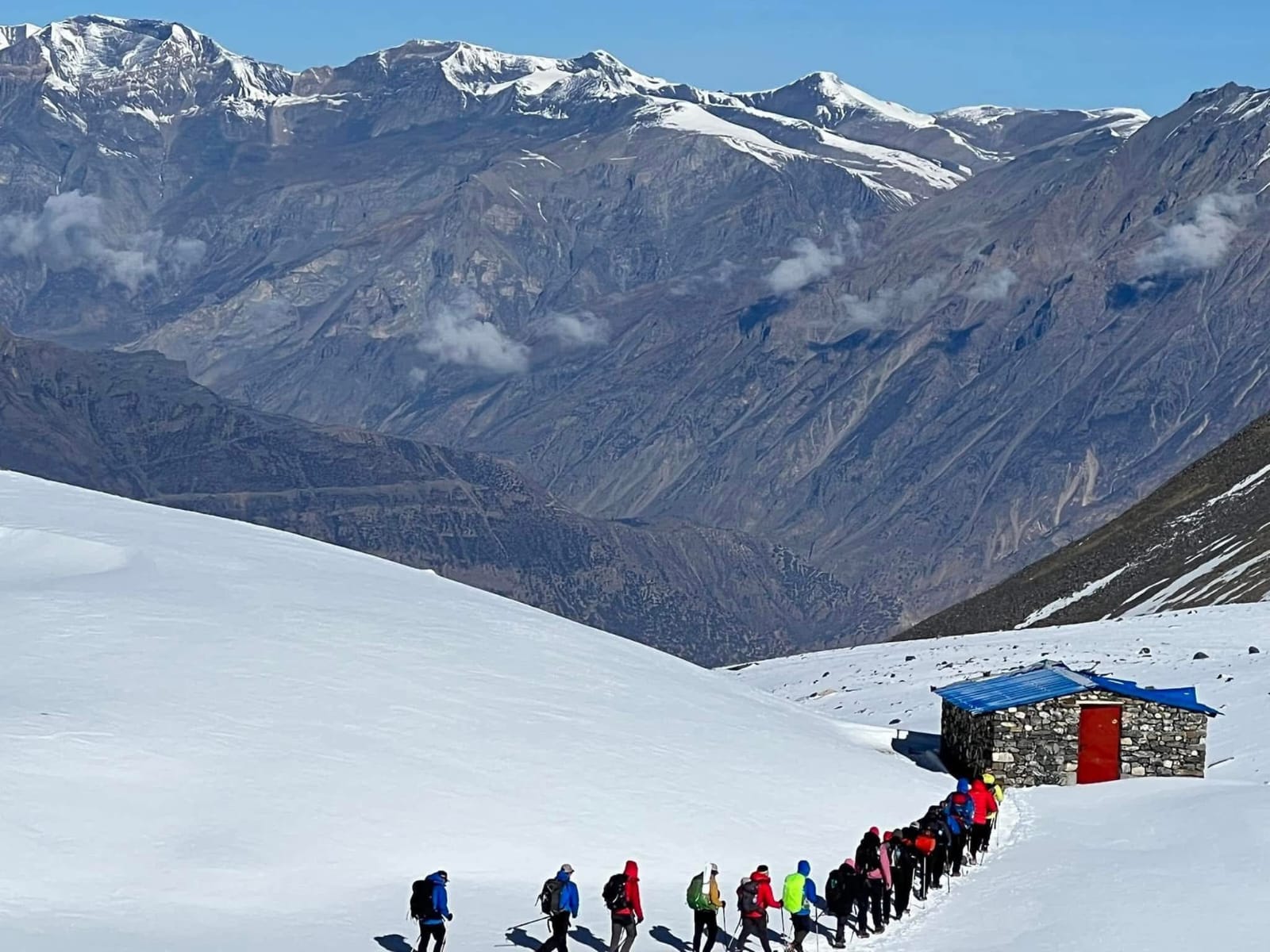
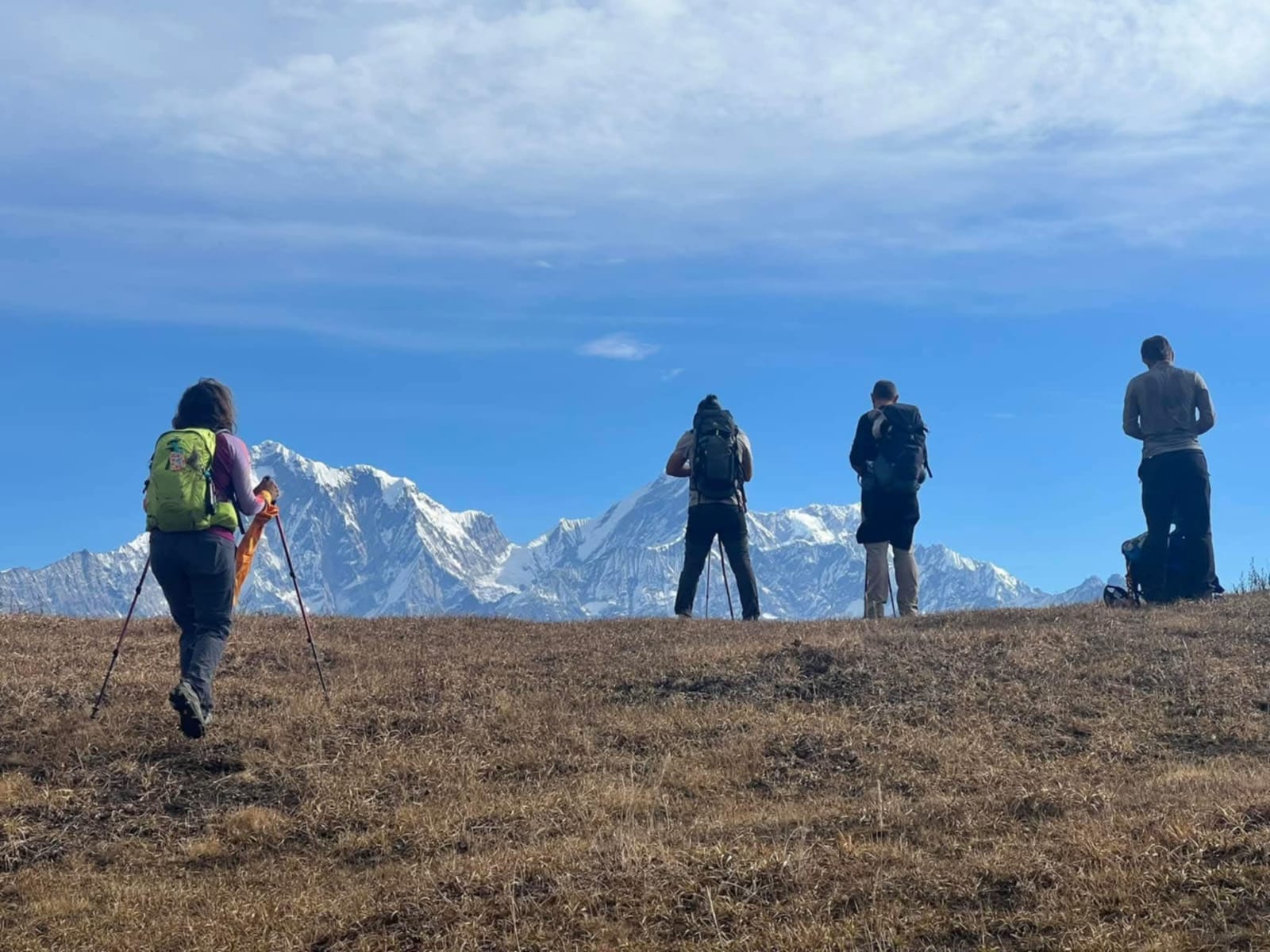
Annapurna Circuit Trek Gallery Image 1
Signature Experiences

Expedition Highlights

01

beautiful waterfall of Chamche and between dharapani valley.

02

The passage of the Thorong-là pass

03

The variety of landscapes and ethnic groups.

04

And chame the town of manang and Buddhist temple in pissang.

05

From Jomsom to Pokhara

Trail Logs & Itinerary

1
Trekking Day Max Elev: 5,416 m/17,769 ft

We meet you at the airport, transfer you to the hotel, and go over the trek plan before the journey starts.

2
Trekking Day Max Elev: 5,416 m/17,769 ft

We leave Kathmandu and drive through river valleys and hill roads to Jagat, which is the trekking start point on this itinerary.

3
Trekking Day Max Elev: 5,416 m/17,769 ft

The trail follows the Marshyangdi valley through bridges, waterfalls, and village sections before reaching Dharapani.

4
Trekking Day Max Elev: 5,416 m/17,769 ft

We walk through forest and mountain villages as the scenery becomes more alpine on the way to Chame.

5
Trekking Day Max Elev: 5,416 m/17,769 ft

The route passes Bhratang and opens into a wider valley with striking views near Pisang.

6
Trekking Day Max Elev: 5,416 m/17,769 ft

We continue to Manang through the upper valley, with strong views and a clear change in climate and landscape.

7
Trekking Day Max Elev: 5,416 m/17,769 ft

This rest day is built in for altitude adjustment, with a short hike above the village and time to recover well.

8
Trekking Day Max Elev: 5,416 m/17,769 ft

We leave Manang and move higher into open alpine terrain on a shorter day designed to help with acclimatization.

9
Trekking Day Max Elev: 5,416 m/17,769 ft

The trail climbs steadily to Thorong Phedi, the final stop below the pass, where we rest early for the next day.

10
Trekking Day Max Elev: 5,416 m/17,769 ft

This is the toughest day of the trek. We start early, cross Thorong La at 5,416 meters, and descend to Muktinath.

11
Trekking Day Max Elev: 5,416 m/17,769 ft

After visiting Muktinath, we descend through Jharkot and Kagbeni and continue along the Kali Gandaki valley to Jomsom.

12
Trekking Day Max Elev: 5,416 m/17,769 ft

A short morning flight takes us from Jomsom to Pokhara, where the afternoon is free to rest by the lakeside.

13
Trekking Day Max Elev: 5,416 m/17,769 ft

We return to Kathmandu by road and check back into the hotel after the mountain trip.

14
Trekking Day Max Elev: 5,416 m/17,769 ft

We transfer you to the airport for your onward flight and bring the trek to a close.

Inclusions

  • Transportation from Kathmandu to Bensisahar -ngadi by local bus
  • The necessary trekking permits (TIMS + annapurna conservation permit).
  • Meals during the trek: breakfast, lunch and dinner (you must take a
  • main pleases lunch and dinner with a cup of tea or coffee and for the little ones
  • toast or chapati or pancake lunch with tea or coffee)
  • The trek team (their salaries, equipment, insurance, transport, meals and
  • accommodation during the trek).
  • 1 French-speaking guide
  • 1 carrier (he carries a maximum of 24kg)
  • Local and government taxes
  • Round trip transportation to the airport
  • Hotel – Bus station – hotel by taxi during the trek.
  • Transfer from Jomsom by tourist bus
  • from Pokhara to Kathmandu by tourist bus.
  • Welcome to dine in a typical restaurant
  • The hotel one night in Pokhara.
  • Your hotel lasts your stay in Kathmandu.

Exclusions

  • Your international flight to Kathmandu
  • Your personal insurance including all medical expenses including a
  • repatriation by helicopter (if necessary)
  • Visa fees (see the “general information” section)
  • Your meals in Kathmandu and Pokhara.
  • Your pharmacy and your personal equipment (sleeping bag, etc.) see the section
  • “equipment to be provided”
  • Drinks mineral water and hot water last the trek
  • For the shower the trek lasts
  • The electrical charge for the camera in the lodges.
  • Extra single or double room for sleeping…during the trek
  • Tips for guides and porters
  • Entrance fees to monuments, museums for visits not included
  • in your circuit

Frequently Asked Questions

The best seasons for trekking in Nepal are spring (March to May) and autumn (September to November). The weather is generally dry, the skies are clear and daytime temperatures are pleasant for walking, offering spectacular views of the Himalayas.
Good physical fitness is recommended. You must be able to walk between 5 and 7 hours per day over mountainous and sometimes steep terrain. We advise you to practice cardio activities (running, hiking, cycling) a few weeks before your departure.
Our itineraries include gradual acclimatization days to minimize risks. Our guides are trained to detect the symptoms of AMS. In the event of persistent or severe symptoms, the guide will immediately arrange descent to a lower altitude and coordinate an emergency evacuation by helicopter if necessary.
Accommodation is in 'teahouses' (small local mountain refuges). The rooms are simple and shared, with two single beds. Meals are prepared on site and feature energetic local cuisine like Dal Bhat (rice, lentil and vegetable soup), as well as Western dishes (pasta, soups, eggs, bread).
Yes, it is strictly obligatory to take out travel insurance covering high altitude trekking (up to the maximum height of your route) as well as search, rescue and emergency medical evacuation costs by helicopter.
To protect the fragile Himalayan environment, we discourage the purchase of single-use plastic water bottles. We recommend bringing reusable water bottles and using water purification tablets (like Aquatabs) or a portable filter. You can also buy safe boiled water at teahouses.
The mobile network (Ncell and NTC) works correctly in the lower valleys but becomes weak or non-existent at high altitudes. Most teahouses offer paid satellite Wi-Fi (around $2-$5 per day), but the speed can be slow and unstable depending on weather conditions.