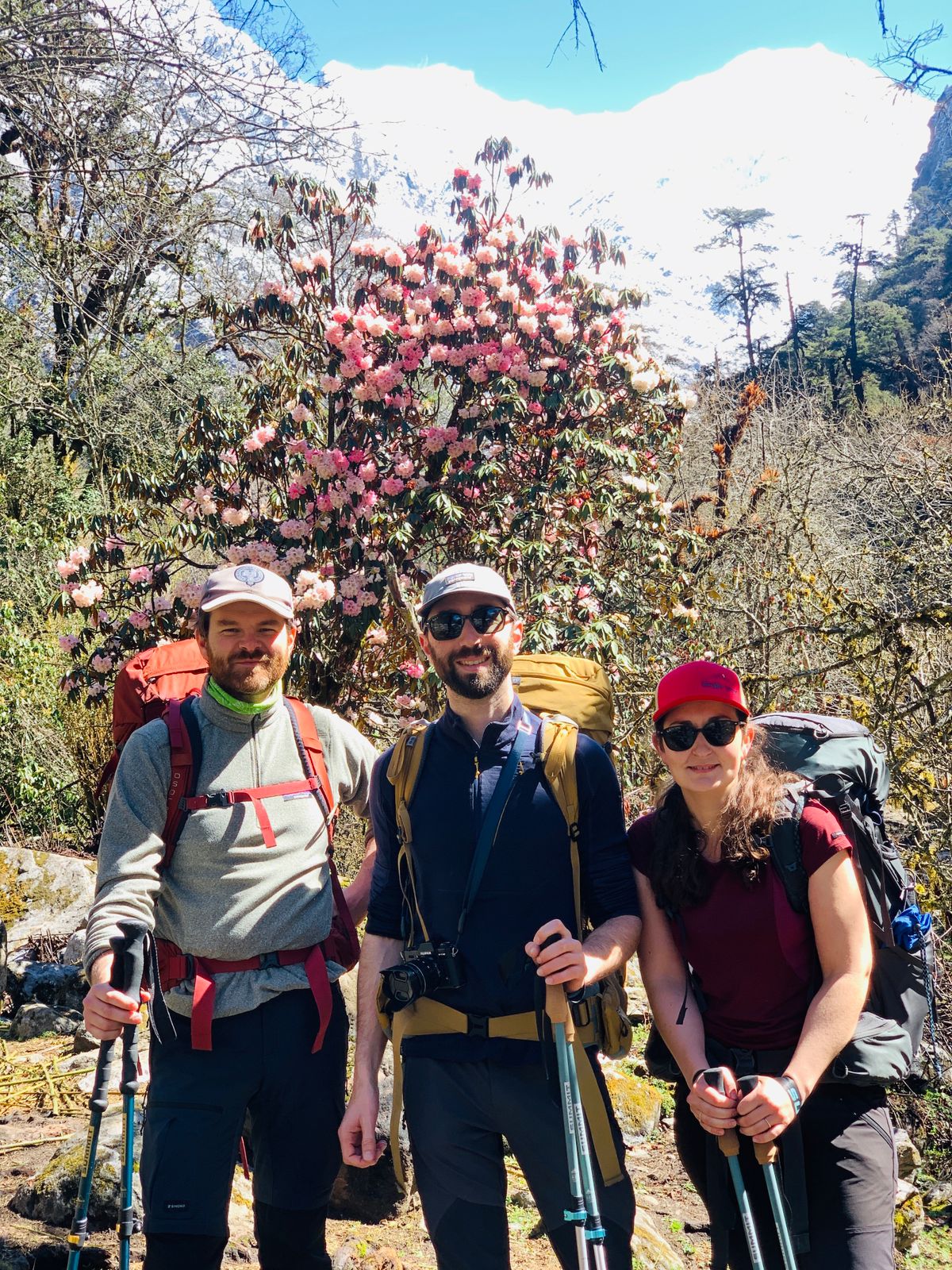
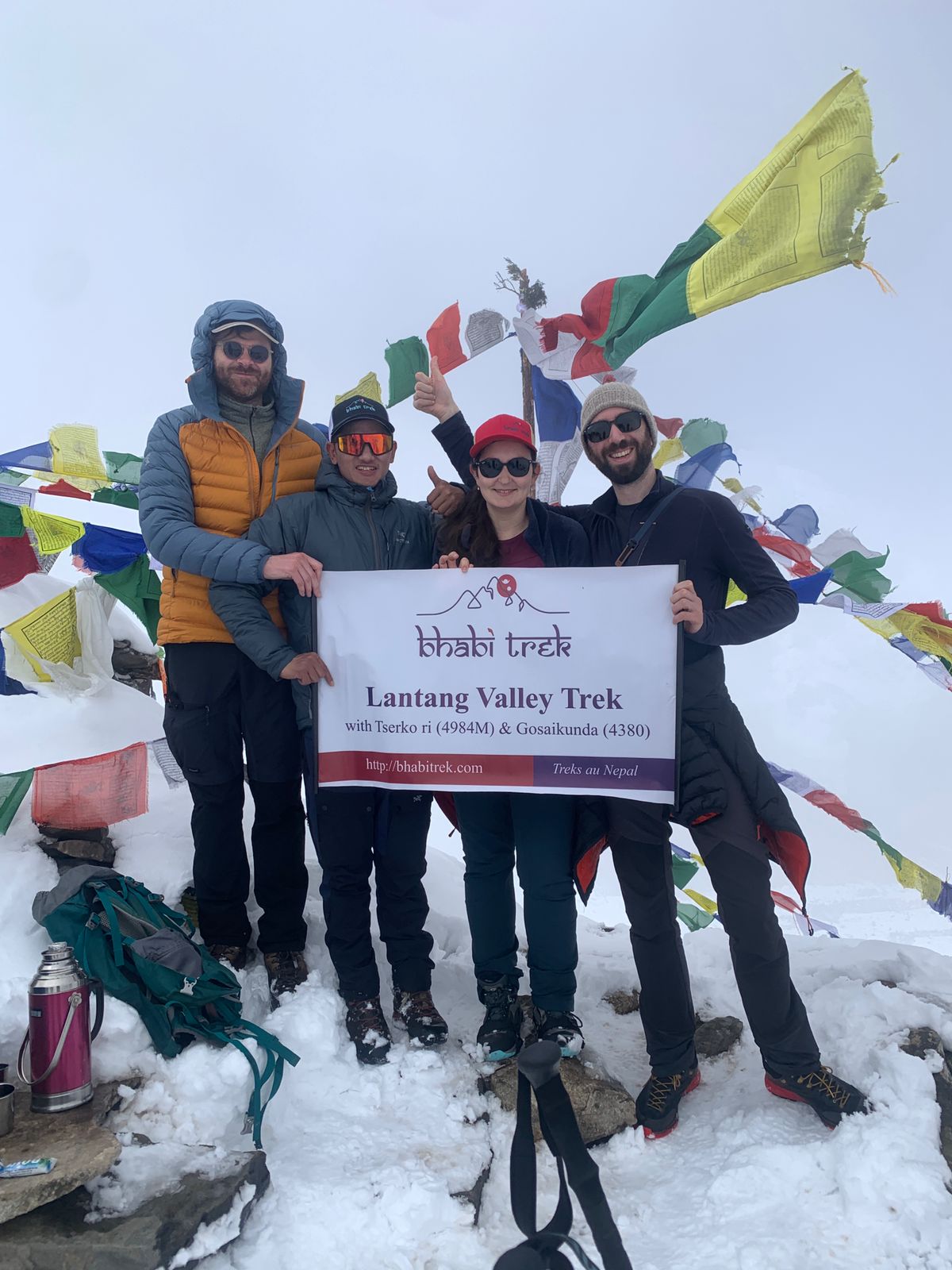
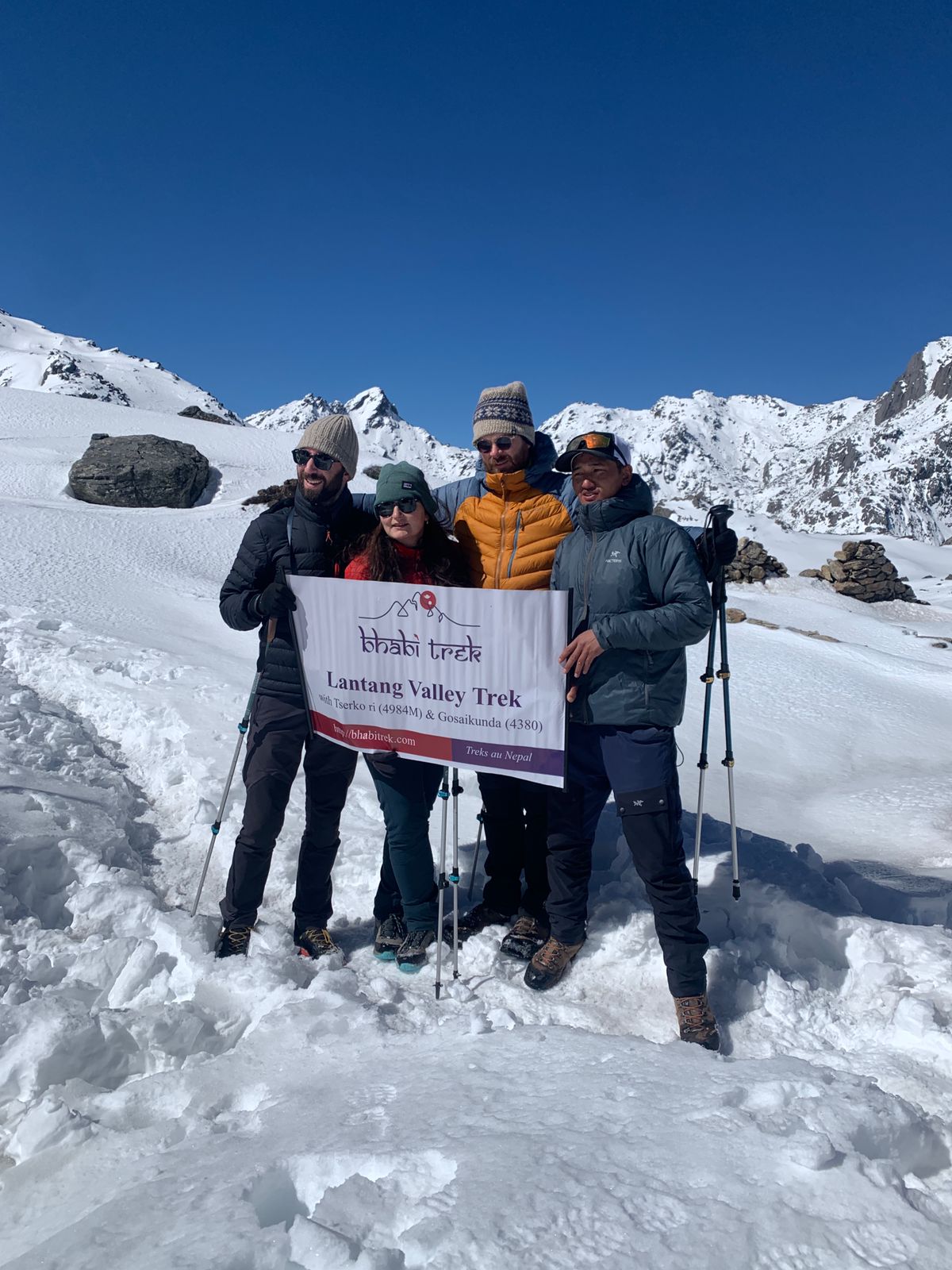
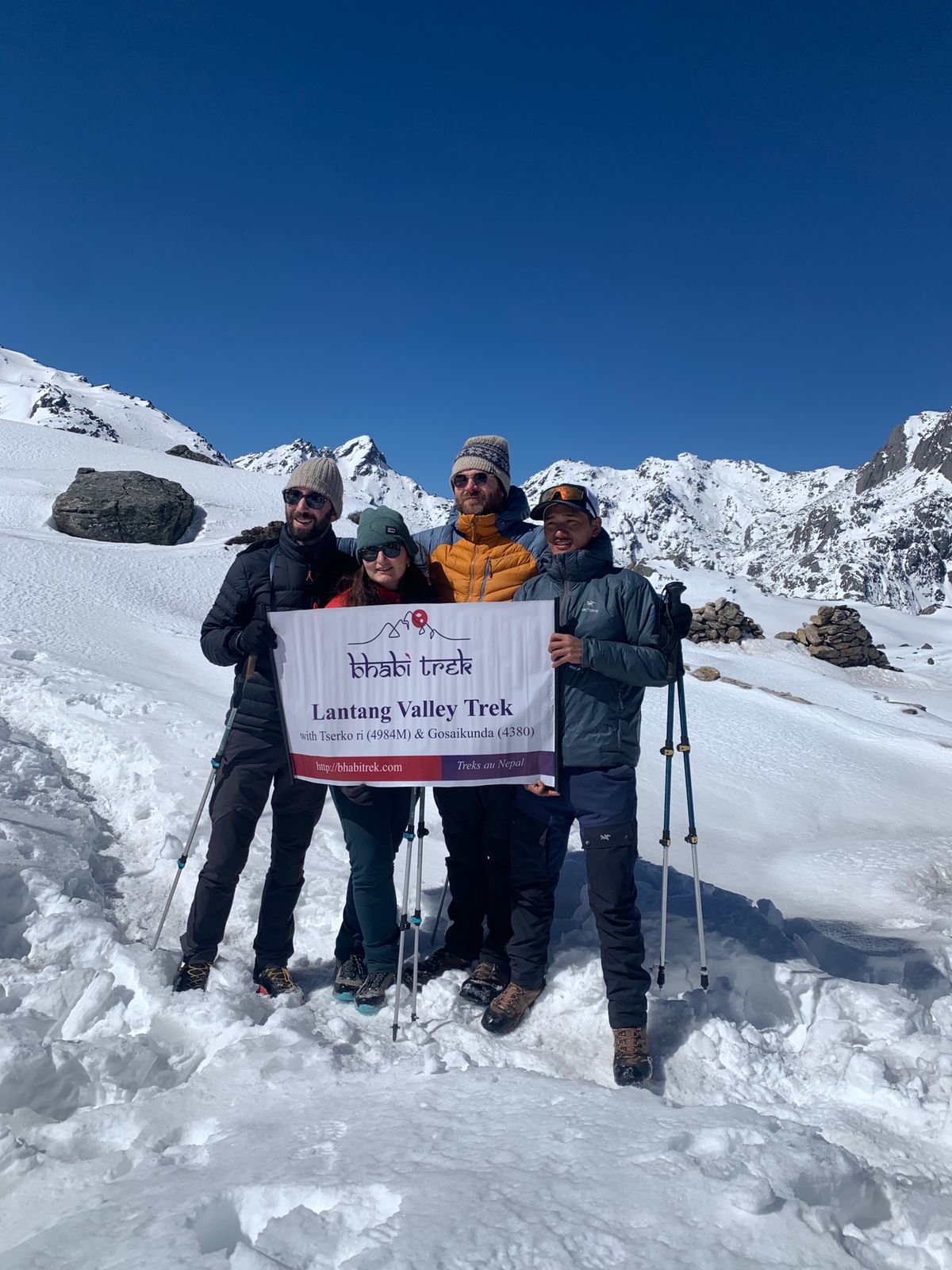
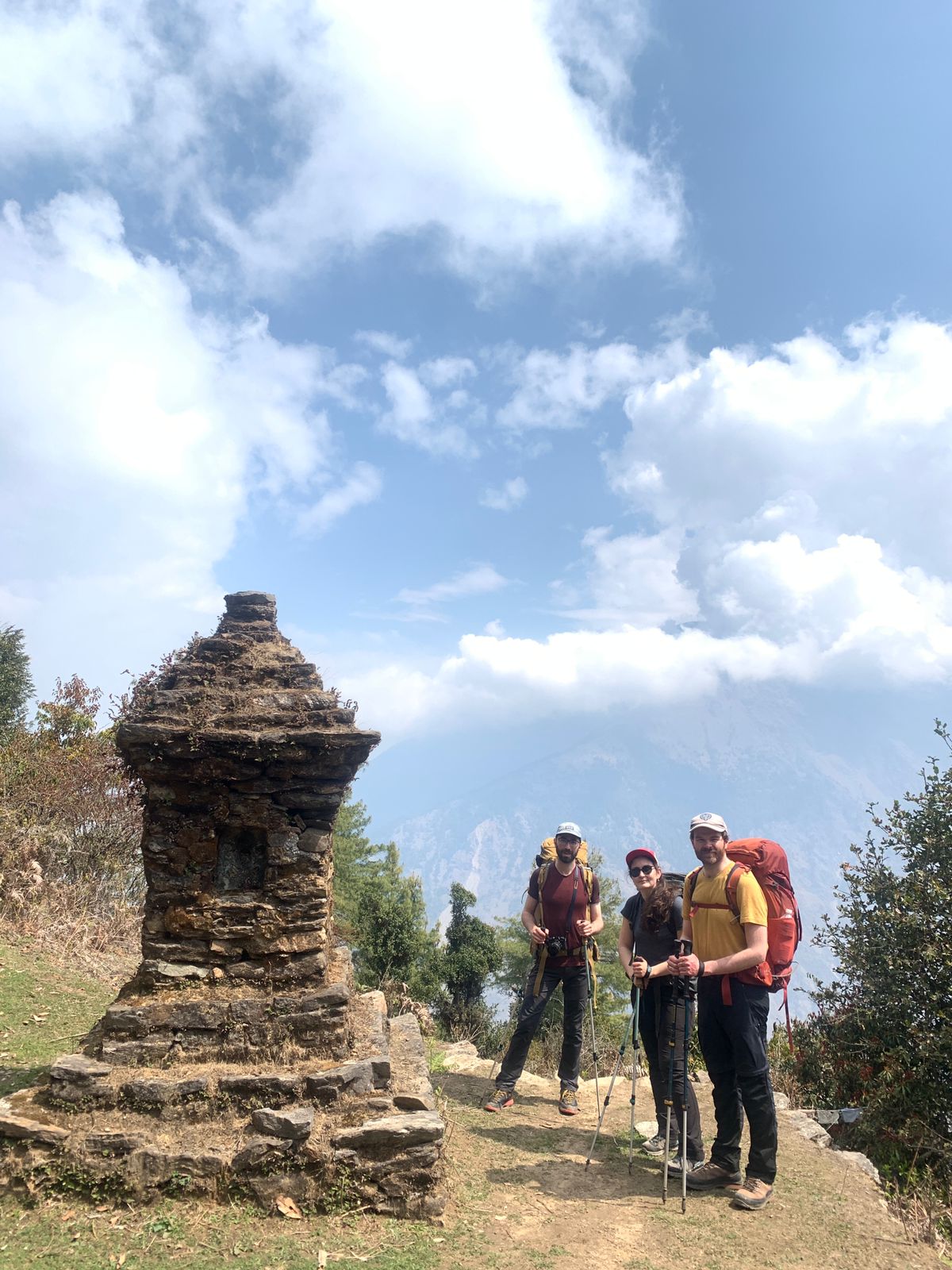
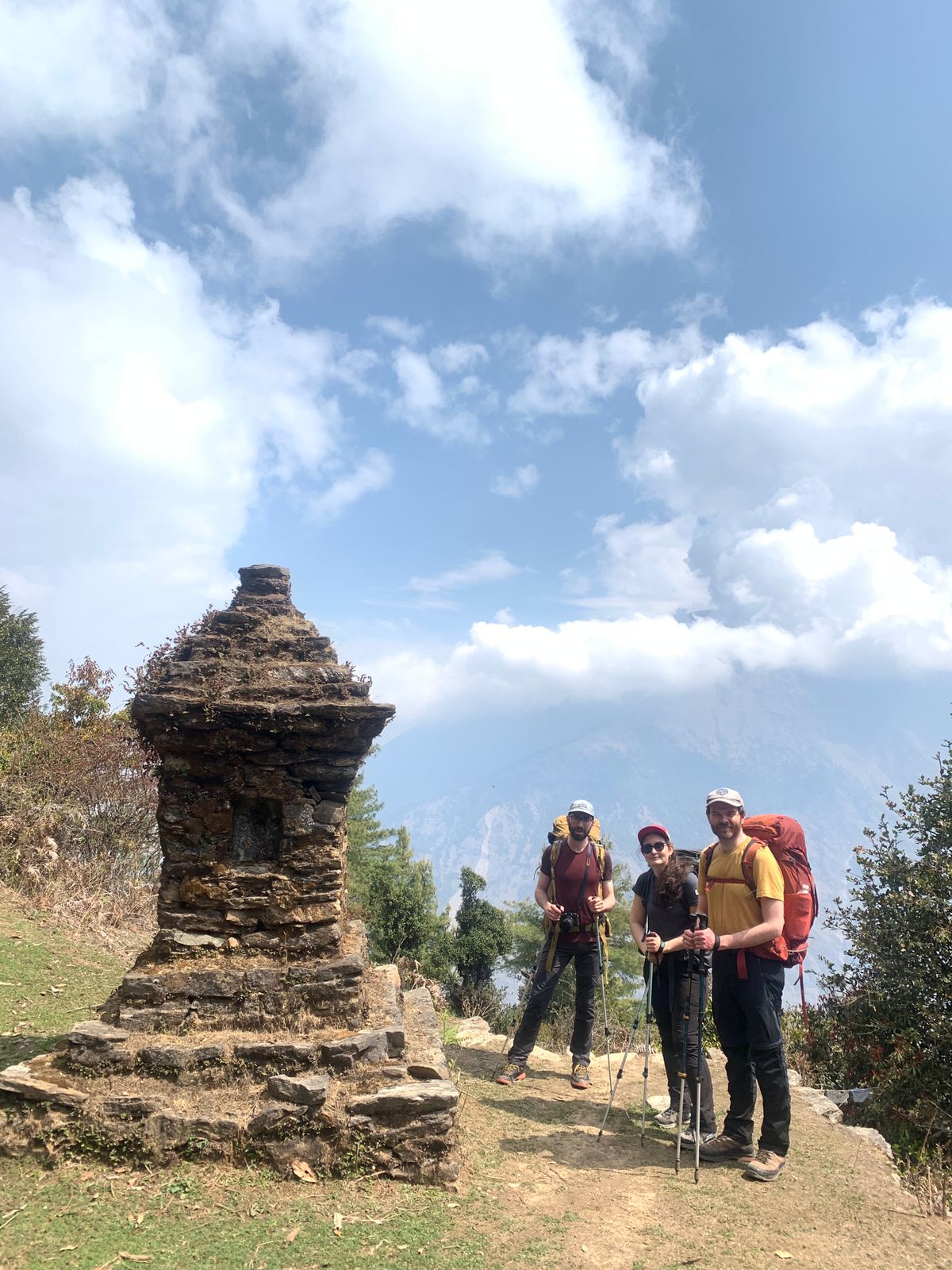
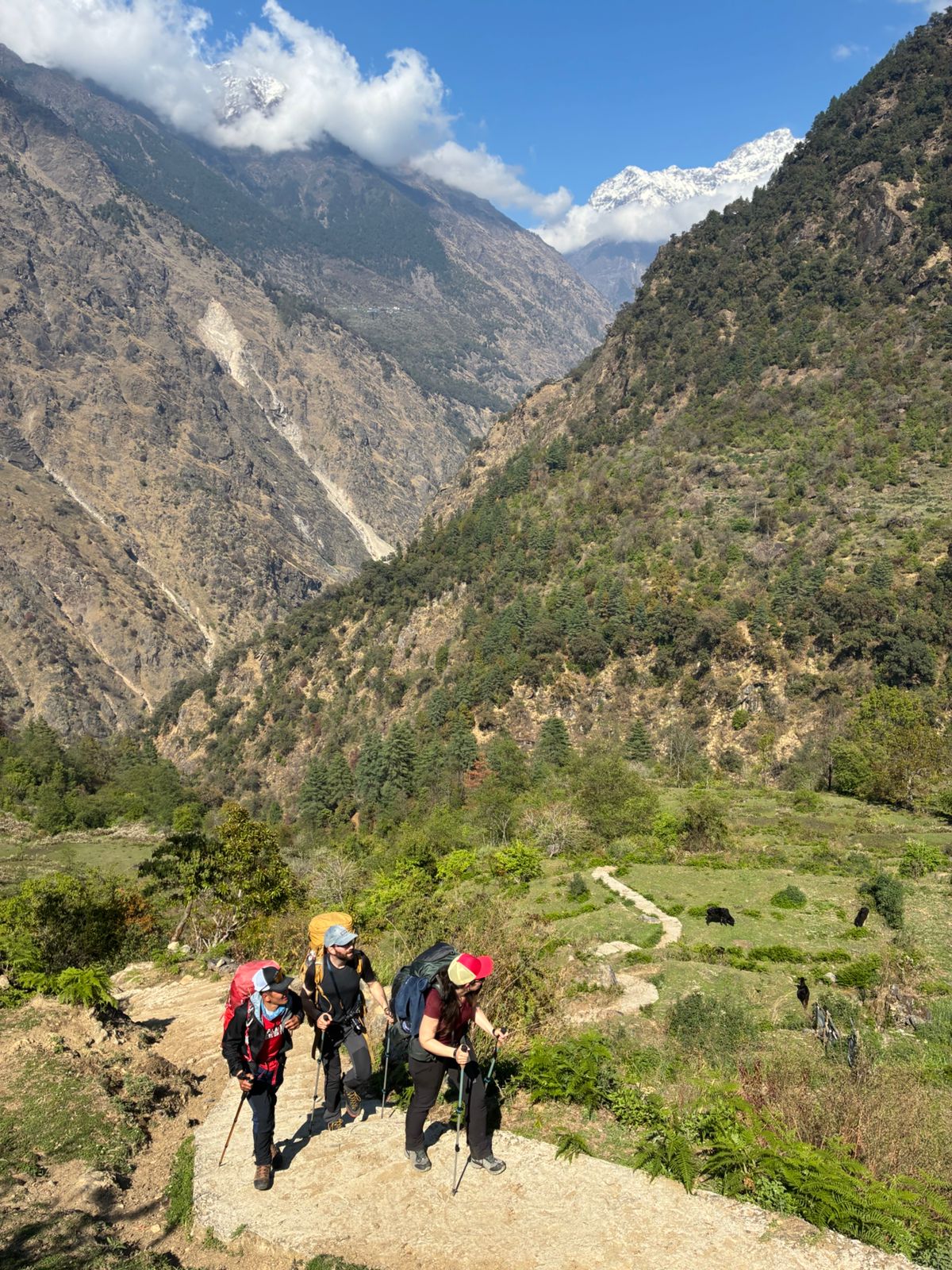
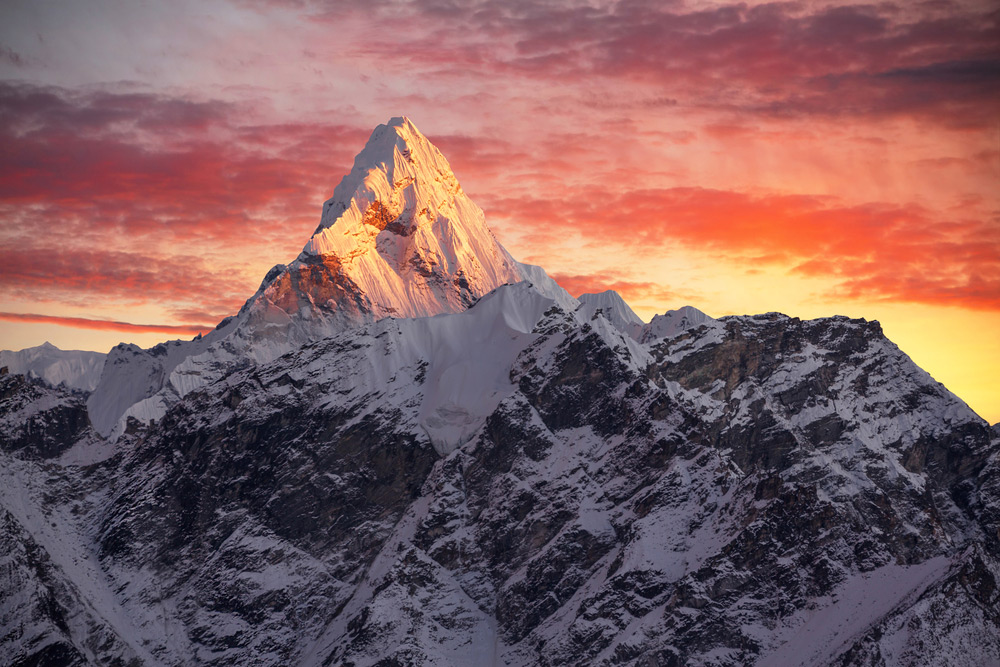
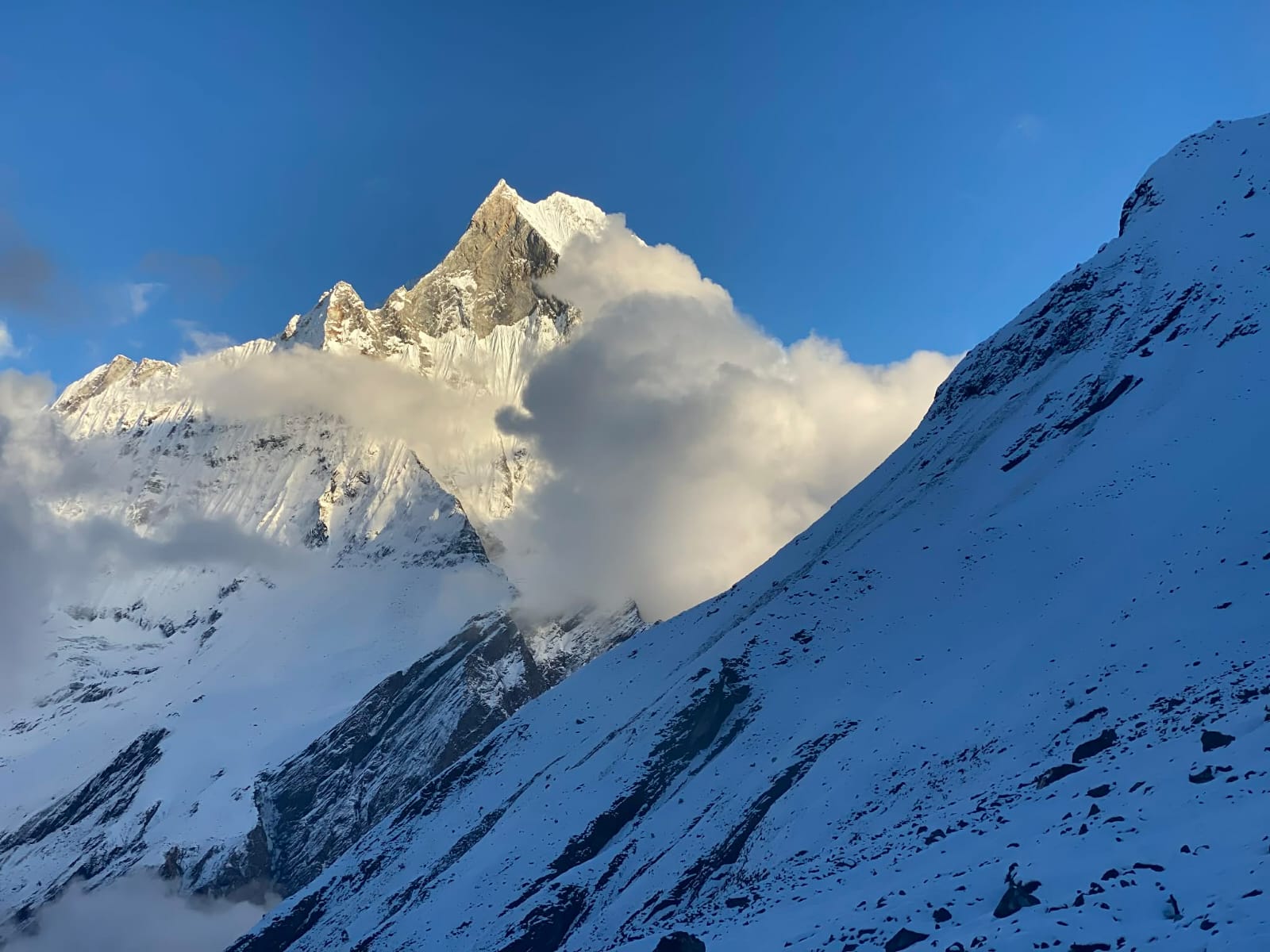
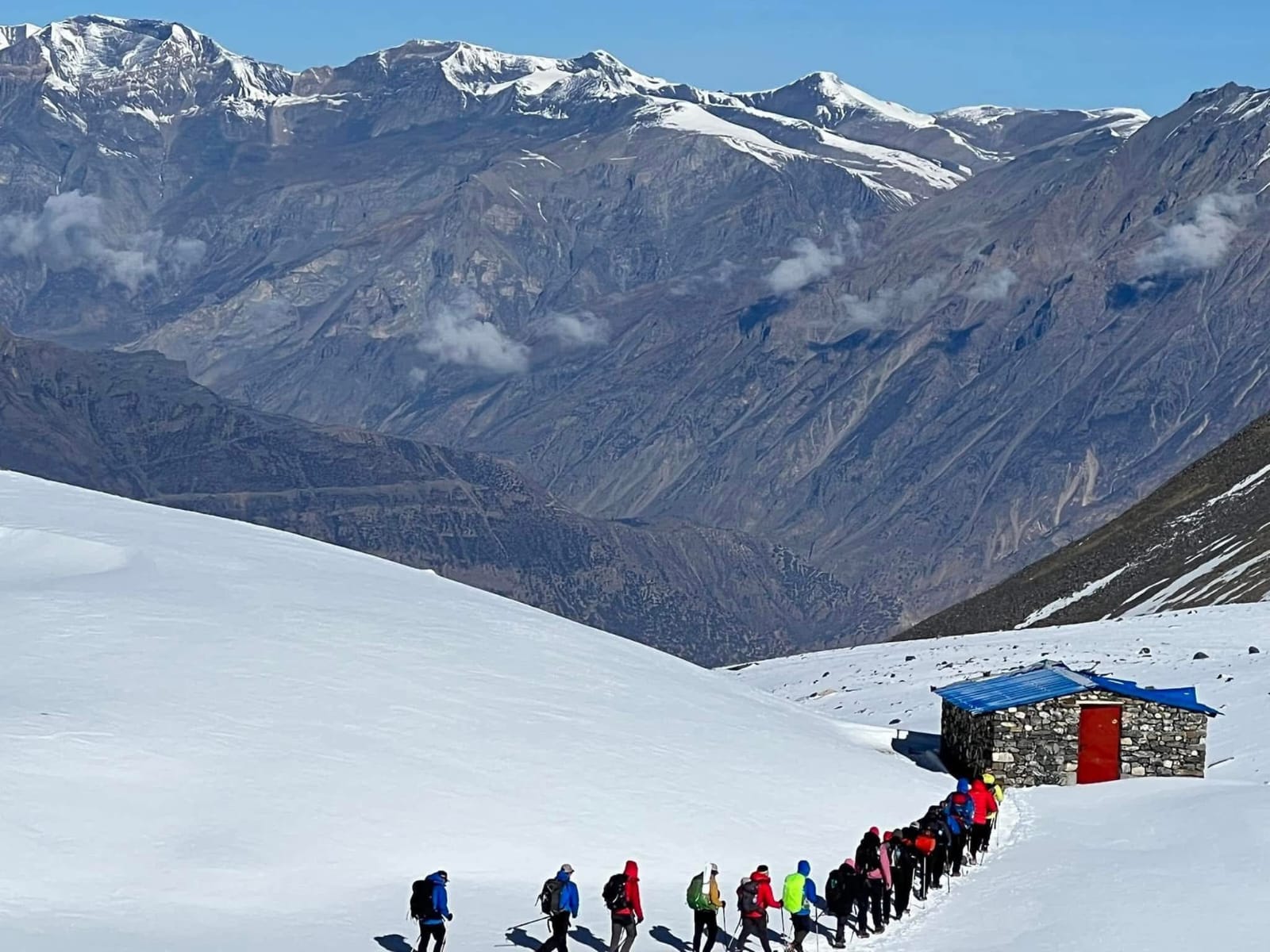
Langtang Valley mountain landscape
Langtang & Central Region

Langtang & Gosainkunda Valley Trek – 13 Days

Difficulty Moderate
Duration 13 Days
Max. Altitude 4,984 m/16,352 ft
Best Season Mar-May, Oct-Nov
Lodging & Meals Tea House & Hotel

Langtang & Gosainkunda Valley Trek – 13 Days

The Langtang Valley and Gosainkunda trek is a spectacular Himalayan adventure that combines breathtaking mountain landscapes, rich Tamang culture and sacred alpine sites. Located just north of Kathmandu, this trek is ideal for travelers looking for an authentic experience, away from the crowds of the Everest or Annapurna regions.

The route explores the magnificent Langtang Valley, often called the Valley of Glaciers, passing through rhododendron and pine forests, traditional villages and yak pastures. One of the highlights of the trek is the ascent of Tsergo Ri (5,050 m), which offers an exceptional panoramic view of Langtang Lirung and the surrounding peaks.

The route then continues to the sacred lake of Gosainkunda, an important place of pilgrimage for Hindus and Buddhists. Crossing the Lauribina Pass (4,700m) is an exciting challenge, rewarded with unforgettable Himalayan views, before the descent through peaceful forests and hill villages to Sundarijal. This trek is perfect for hikers looking for a moderately difficult adventure, combining nature, culture and spirituality.
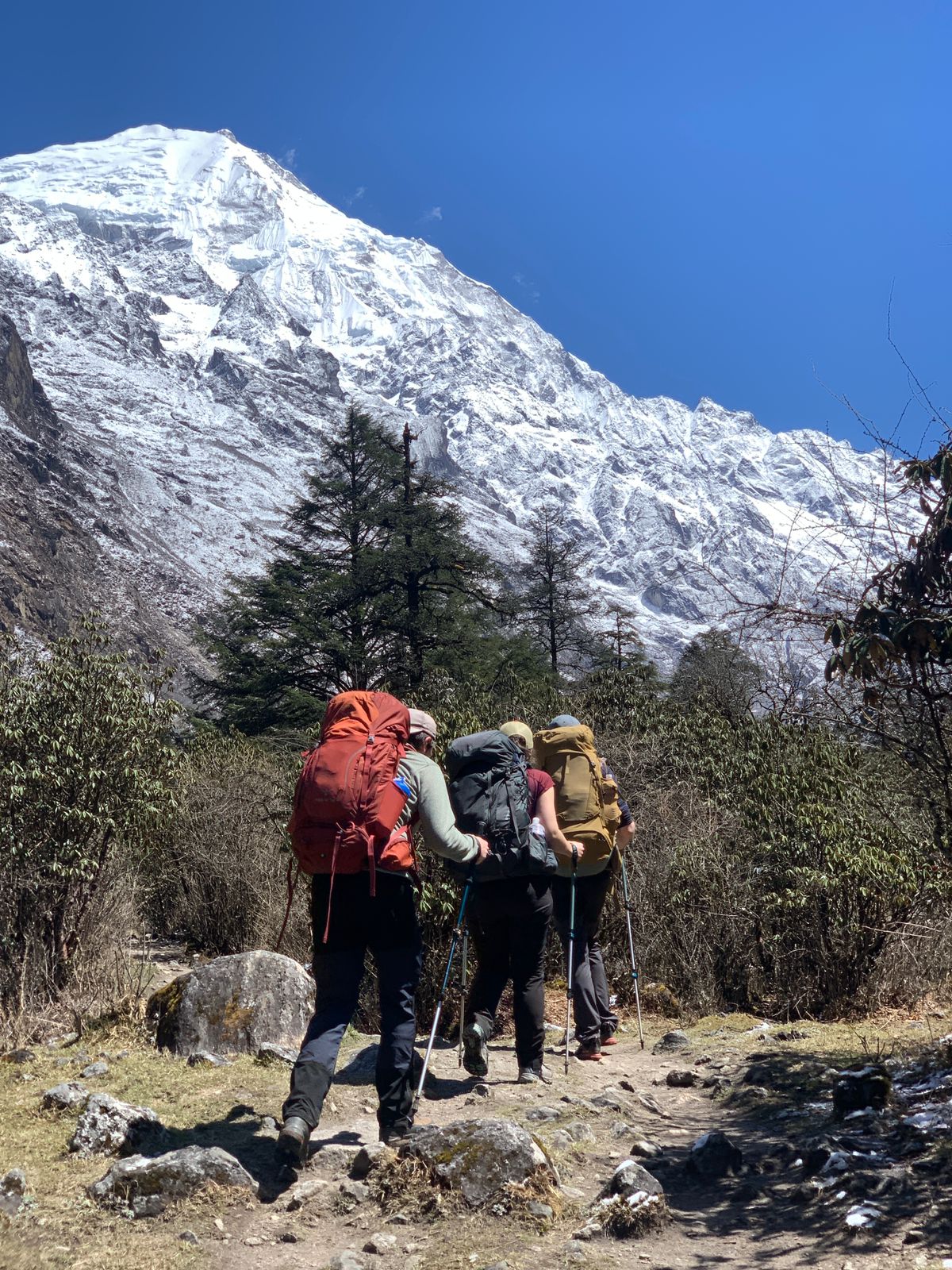
Langtang Valley Trek Gallery Image 1

Trail Logs & Itinerary

1
Trekking Day Max Elev: 4,984 m/16,352 ft

Reception at Tribhuvan International Airport and transfer to hotel. Trek briefing and preparation.

2
Trekking Day Max Elev: 4,984 m/16,352 ft

Scenic drive through hills, rivers and terraced fields to the starting point of the trek.

3
Trekking Day Max Elev: 4,984 m/16,352 ft

Walk through dense forests, suspension bridges and along the Langtang River.

4
Trekking Day Max Elev: 4,984 m/16,352 ft

Gradual climb through rhododendron and pine forests with views of snow-capped peaks.

5
Trekking Day Max Elev: 4,984 m/16,352 ft

and descent to Kyangjin Gompa (3,830 m / 12,565 ft) Early departure to enjoy exceptional panoramic views, then descent to Kyangjin Gompa.

6
Trekking Day Max Elev: 4,984 m/16,352 ft

Descent via the same trails with changing landscapes.

7
Trekking Day Max Elev: 4,984 m/16,352 ft

Beautiful day walking through forests and traditional villages.

8
Trekking Day Max Elev: 4,984 m/16,352 ft

Climb through pine and rhododendron forests to the Buddhist monastery of Sing Gompa.

9
Trekking Day Max Elev: 4,984 m/16,352 ft

Arrival at the sacred lake of Gosainkunda, an important pilgrimage site.

10
Trekking Day Max Elev: 4,984 m/16,352 ft

and descent to Ghopte (3,420 m / 11,220 ft) Demanding but very rewarding day with spectacular views of the Himalayas.

11
Trekking Day Max Elev: 4,984 m/16,352 ft

Descent through forests and traditional villages.

12
Trekking Day Max Elev: 4,984 m/16,352 ft

Last day of walking with panoramic views of the ridges and mountains.

13
Trekking Day Max Elev: 4,984 m/16,352 ft

Short walk then drive to Kathmandu. End of the trek.

Inclusions

  • All airport transfers (international and domestic) by tourist vehicle
  • 2 nights accommodation in Kathmandu in a comfortable hotel (double room) with breakfast
  • 11 nights in lodges/tea houses during the trek (double rooms, shared bathrooms)
  • Three meals per day during the trek (breakfast, lunch and dinner)
  • Fresh seasonal fruits served after dinner during the trek
  • Farewell dinner in Kathmandu after the trek
  • Local bus transportation from Kathmandu to Syabrubesi and from Sundarijal to Kathmandu
  • Langtang National Park Entrance Permit
  • TIMS (Trekkers’ Information Management System) card
  • Experienced local trekking guide, licensed by the government (French or English speaking)
  • Porters for transporting luggage (1 porter for 2 trekkers, up to 20–22 kg shared)
  • All guide and porter costs (salary, meals, accommodation, insurance and equipment)
  • First aid kit carried by the guide
  • All applicable organization fees and government taxes

Exclusions

  • Round-trip international flights to Nepal
  • Nepalese visa fees (around 30–50 USD)
  • Mandatory travel insurance covering high altitude trekking, medical emergencies and evacuation
  • Personal trekking equipment (available for rental in Kathmandu)
  • Fees related to itinerary changes due to weather conditions or unforeseen circumstances
  • Additional nights outside the program (early arrival, late departure or modifications)
  • Alcoholic drinks, bottled water, soft drinks and snacks during the trek
  • Personal expenses (souvenirs, laundry, phone calls, internet, device charging, hot showers, extra meals)
  • Tips for guides, porters and drivers (expected but not obligatory)
  • Any other costs not mentioned in the Price Includes section, including optional tours, museums and attractions

Frequently Asked Questions

The best seasons for trekking in Nepal are spring (March to May) and autumn (September to November). The weather is generally dry, the skies are clear and daytime temperatures are pleasant for walking, offering spectacular views of the Himalayas.
Good physical fitness is recommended. You must be able to walk between 5 and 7 hours per day over mountainous and sometimes steep terrain. We advise you to practice cardio activities (running, hiking, cycling) a few weeks before your departure.
Our itineraries include gradual acclimatization days to minimize risks. Our guides are trained to detect the symptoms of AMS. In the event of persistent or severe symptoms, the guide will immediately arrange descent to a lower altitude and coordinate an emergency evacuation by helicopter if necessary.
Accommodation is in 'teahouses' (small local mountain refuges). The rooms are simple and shared, with two single beds. Meals are prepared on site and feature energetic local cuisine like Dal Bhat (rice, lentil and vegetable soup), as well as Western dishes (pasta, soups, eggs, bread).
Yes, it is strictly obligatory to take out travel insurance covering high altitude trekking (up to the maximum height of your route) as well as search, rescue and emergency medical evacuation costs by helicopter.
To protect the fragile Himalayan environment, we discourage the purchase of single-use plastic water bottles. We recommend bringing reusable water bottles and using water purification tablets (like Aquatabs) or a portable filter. You can also buy safe boiled water at teahouses.
The mobile network (Ncell and NTC) works correctly in the lower valleys but becomes weak or non-existent at high altitudes. Most teahouses offer paid satellite Wi-Fi (around $2-$5 per day), but the speed can be slow and unstable depending on weather conditions.