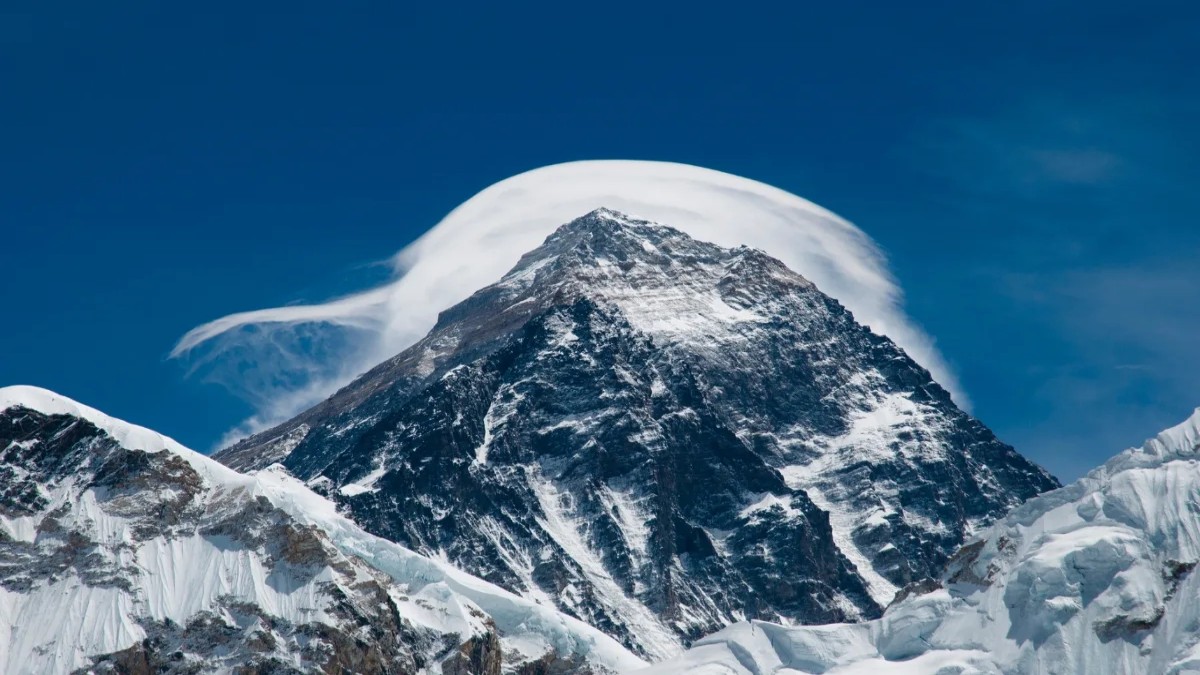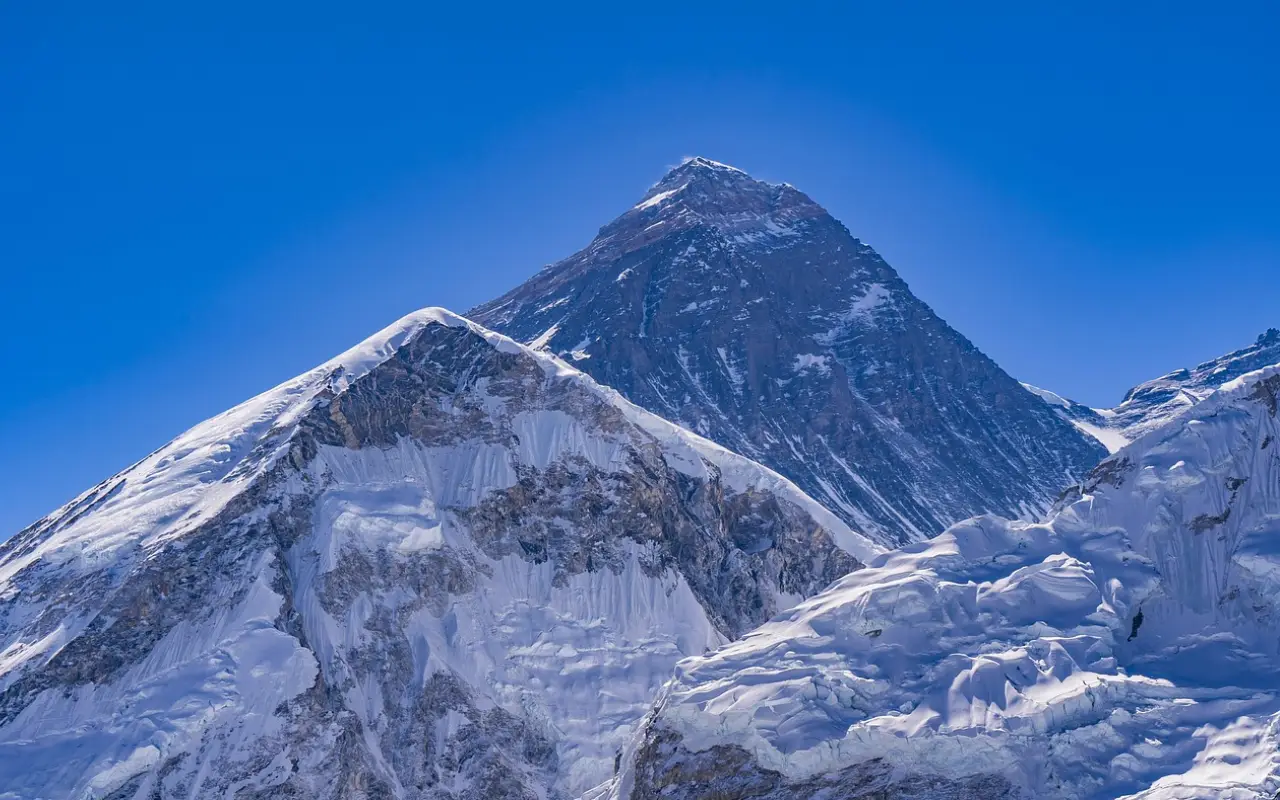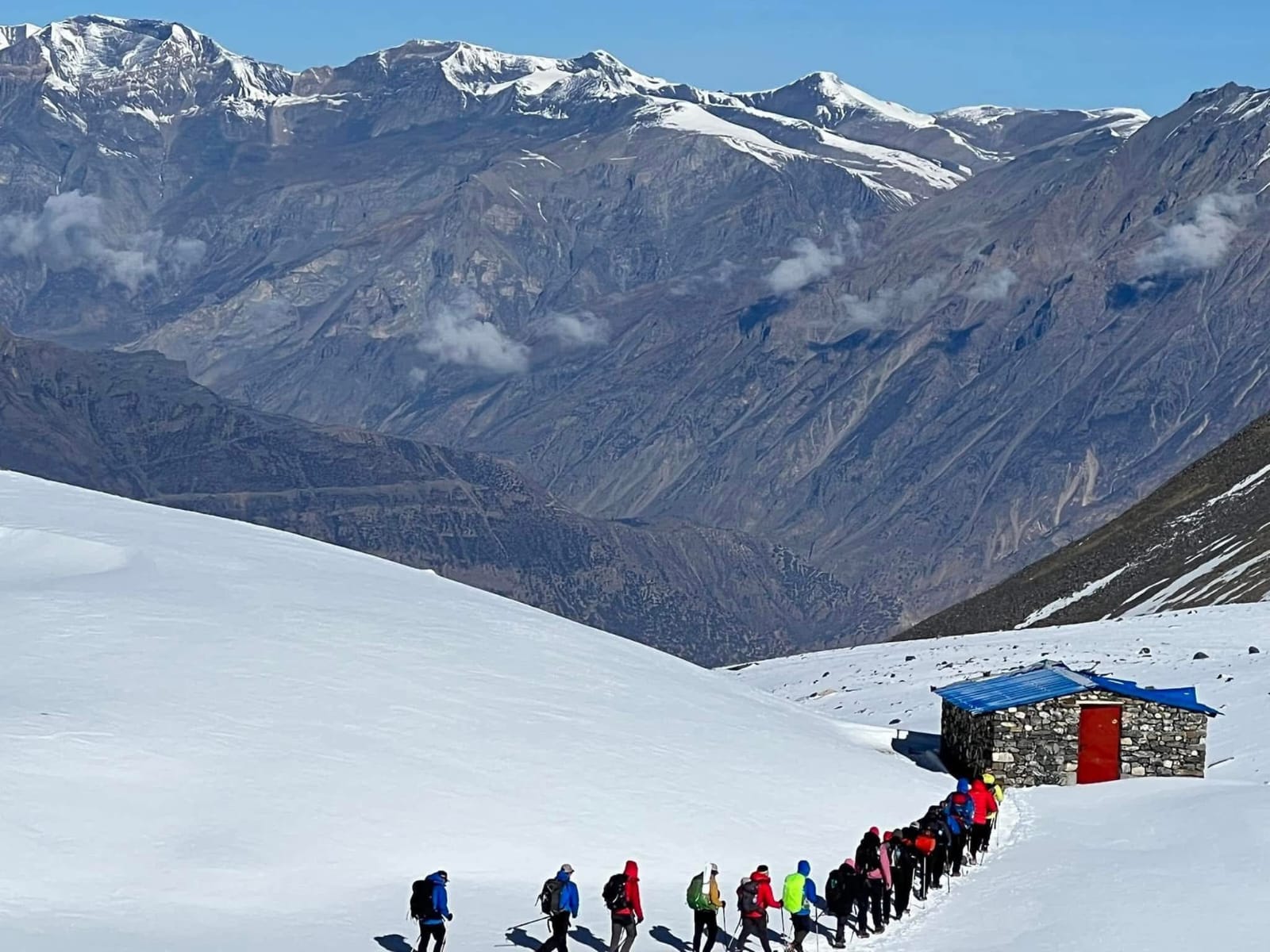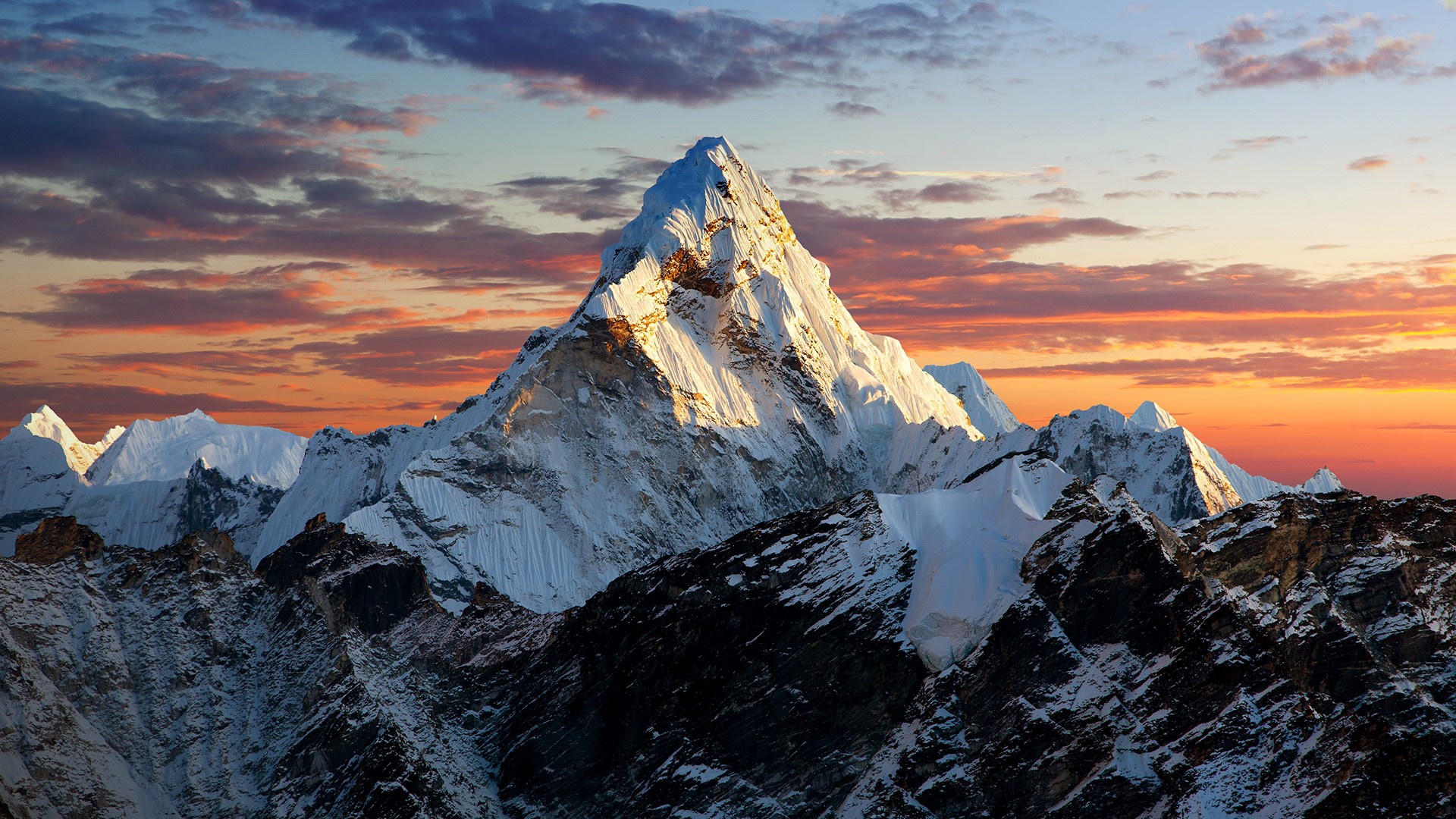
Mount Everest high mountain landscape
Nepal Region

Everest Expedition

Difficulty Challenging to Adventurous
Duration 60 Days
Max. Altitude 8,848.86 m / 29,032 ft
Best Season Spring (Mar-May)
Lodging & Meals Lodge, Camping & Hotel

Everest

A long and serious expedition for highly experienced climbers who already know how to move safely at extreme altitude.

Everest Expedition is not just a climb. It is a full campaign that takes time, patience, and strong judgment. The route is demanding, the altitude is extreme, and every stage of the trip depends on careful pacing, acclimatization, and strong teamwork.

The expedition begins with the classic Khumbu approach through Lukla, Namche, Tengboche, Dingboche, Lobuche, and Everest Base Camp. Many current south-side itineraries also include an acclimatization climb of Lobuche East and a rest or viewpoint day near Kala Patthar before the main climbing phase.

From base camp onward, the climb becomes more structured. We spend time training, checking oxygen systems, following the weather, and moving through Camp I, Camp II, Camp III, and eventually the South Col during acclimatization rotations before the summit push.

At 8,848.86 meters, Everest asks for much more than fitness. Climbers need serious previous experience, mental steadiness, and the patience to wait for the right spring window. When everything comes together, it becomes the climb of a lifetime.
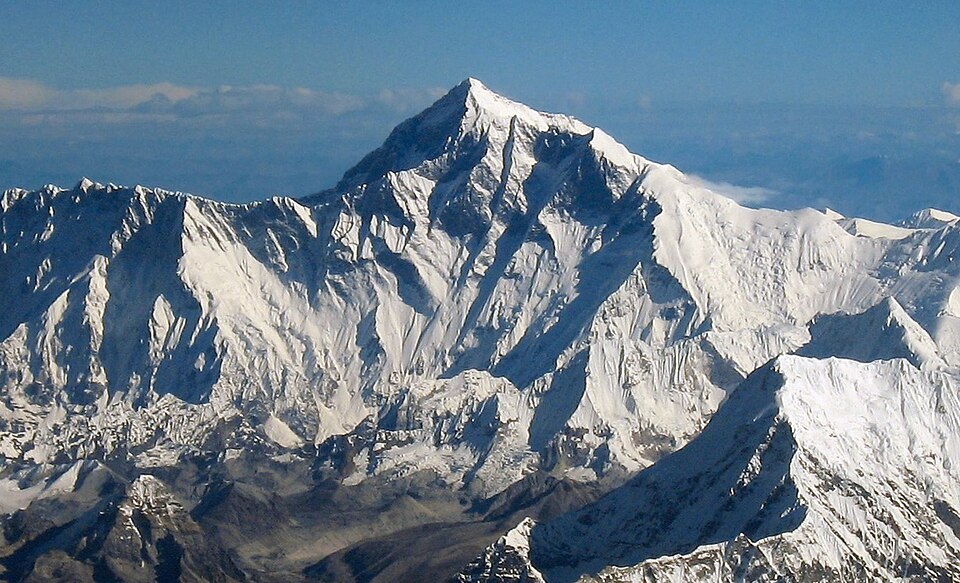
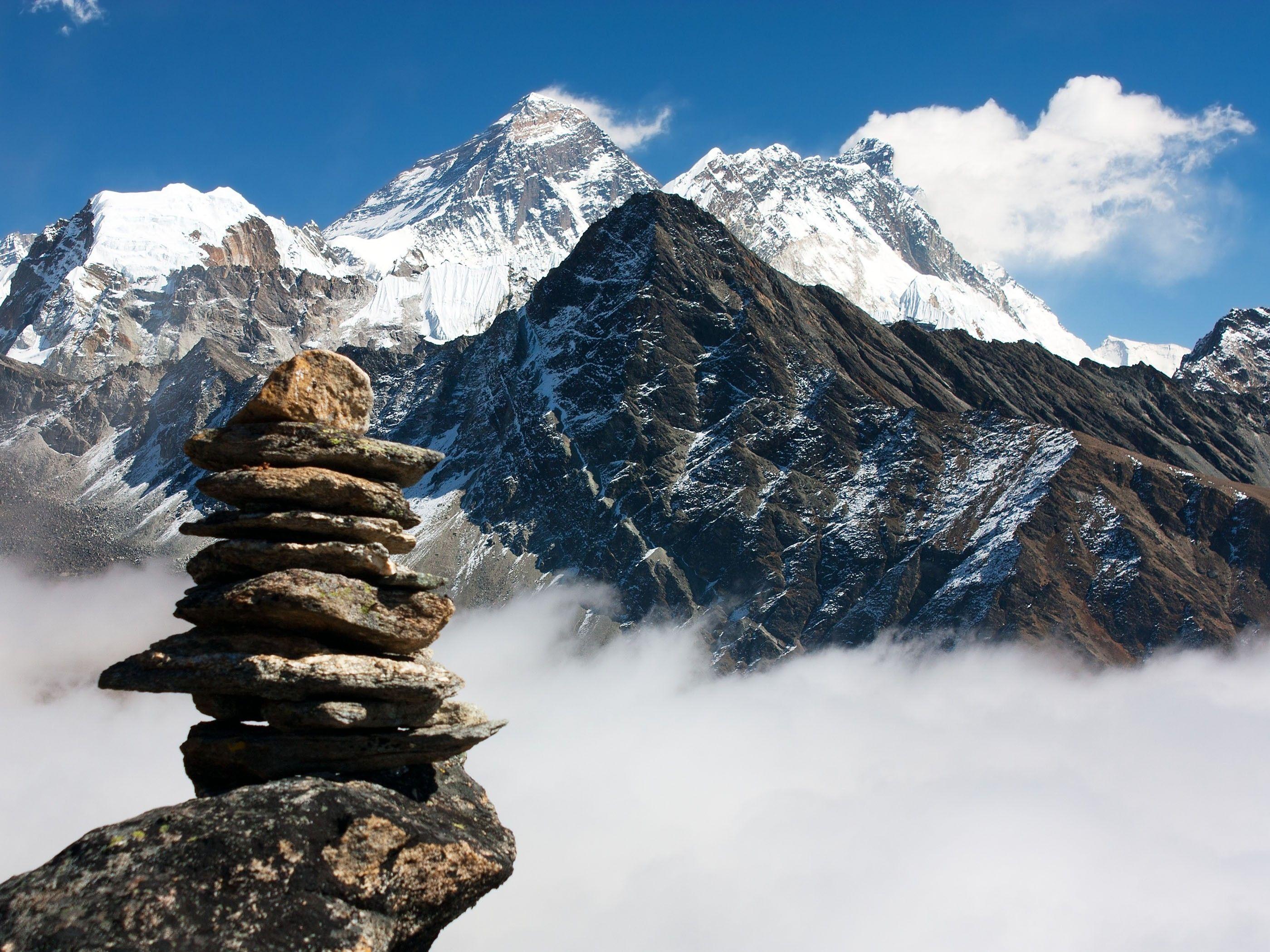
Everest Expedition landscape view
Signature Experiences

Expedition Highlights

01

Take part in a full-scale Himalayan expedition to the highest mountain on earth.

02

Follow the classic South Col route with base camp life, acclimatization rotations, and a summit push when conditions allow.

03

Move through the Khumbu with close views of Everest, Lhotse, Nuptse, Pumori, and the whole upper valley.

Trail Logs & Itinerary

1
Trekking Day Max Elev: 8,848.86 m / 29,032 ft

We welcome you at the airport, transfer you to the hotel, and help you settle in before the expedition begins.

2
Trekking Day Max Elev: 8,848.86 m / 29,032 ft

The journey starts with the mountain flight to Lukla and an easy first walk to Phakding.

3
Trekking Day Max Elev: 8,848.86 m / 29,032 ft

We follow the Dudh Koshi and climb steadily to Namche, the main trading town of the Khumbu.

4
Trekking Day Max Elev: 8,848.86 m / 29,032 ft

A rest day with a short hike helps your body adjust and gives you time to recover before moving higher.

5
Trekking Day Max Elev: 8,848.86 m / 29,032 ft

The trail opens to wide mountain views as we head to Tengboche and its famous monastery.

6
Trekking Day Max Elev: 8,848.86 m / 29,032 ft

We move above the forest line and into a drier alpine landscape as the altitude becomes more noticeable.

7
Trekking Day Max Elev: 8,848.86 m / 29,032 ft

Another acclimatization day helps build a stronger base before the route continues higher.

8
Trekking Day Max Elev: 8,848.86 m / 29,032 ft

The trail climbs gradually toward Lobuche with dramatic views of the upper Khumbu valley.

9
Trekking Day Max Elev: 8,848.86 m / 29,032 ft

Many current commercial Everest itineraries use Lobuche East as an acclimatization climb before moving to Everest Base Camp.

10
Trekking Day Max Elev: 8,848.86 m / 29,032 ft

We reach Everest Base Camp and settle into expedition life beneath the Khumbu Icefall.

11
Trekking Day Max Elev: 8,848.86 m / 29,032 ft

We use the day for recovery, the traditional puja ceremony, and technical practice before climbing higher.

12
Trekking Day Max Elev: 8,848.86 m / 29,032 ft

Some itineraries include a rest day at base camp with an optional walk to Kala Patthar for a closer look at the upper Khumbu.

13
Trekking Day Max Elev: 8,848.86 m / 29,032 ft

After packing camp, we begin the long walk out and drop to a lower sleeping altitude.

14
Trekking Day Max Elev: 8,848.86 m / 29,032 ft

The return through the Khumbu feels lighter as we lose altitude and move back toward Namche.

15
Trekking Day Max Elev: 8,848.86 m / 29,032 ft

We complete the final trekking day and return to Lukla.

16
Trekking Day Max Elev: 8,848.86 m / 29,032 ft

We fly back to Kathmandu and return to the hotel for a well-earned rest.

17
Trekking Day Max Elev: 8,848.86 m / 29,032 ft

This extra day gives room for flight delays, gear sorting, and a proper pause after the expedition.

18
Trekking Day Max Elev: 8,848.86 m / 29,032 ft

We transfer you to the airport for your onward flight and bring the expedition to a close.

Inclusions

  • Airport pick-up and drop-off in Kathmandu.
  • Hotel stay in Kathmandu before and after the expedition.
  • Expedition briefing, permit support, and full logistics coordination.
  • Guide support during the approach trek and return journey.
  • Everest Base Camp setup with dining, sleeping, and common expedition facilities.
  • Meals during the trek and at base camp as per the expedition plan.
  • Experienced expedition guide support and local climbing staff.
  • Common group equipment for climbing, oxygen planning, and camp management.
  • Staff wages, meals, insurance, and operational expenses.
  • Required trekking and Everest expedition permits for the South Side route.
  • Local entry fees and necessary government paperwork.
  • Administrative costs related to the expedition.

Exclusions

  • International flights to and from Nepal.
  • Nepal visa fees and personal travel expenses in Kathmandu.
  • Personal climbing gear, clothing, and technical equipment.
  • Travel insurance with high-altitude rescue coverage.
  • Personal snacks, drinks, tips, charging, hot showers, and private room upgrades.

Frequently Asked Questions

For 'trekking peaks' like Island Peak or Mera Peak, no advanced mountaineering experience is required, but you must be familiar with using crampons, a harness, and ascenders (Jumar). We provide pre-climb training at base camp.
Yes, all our climbing guides and Sherpas are highly experienced, certified by the Nepal Mountaineering Association (NMA), and have multiple successful summits of Everest and other 8,000-meter peaks.
You need personal mountaineering gear including double climbing boots, crampons, harness, ice axe, ascender (Jumar), descender (figure-8), carabiners, and a helmet. You can bring your own or rent them in Kathmandu or Namche.
Climbing packages feature slow ascent schedules, extra rest days, and acclimatization hikes to high camps. We practice the 'climb high, sleep low' rule to prepare your body for the thin air on summit day.
Safety is our absolute priority. If weather conditions are unfavorable on the scheduled summit day, we will wait at high camp or base camp for a clear weather window. We factor buffer days into our itineraries.
At base camp and high camps, we provide high-quality dome tents, foam mattresses, and a kitchen tent staffed by our professional cook team preparing nutritious, fresh meals to maintain your strength.
Yes, you must secure a specialized insurance policy that explicitly covers mountaineering or peak climbing up to the maximum altitude of your summit, including high-altitude search, rescue, and helicopter evacuation.